Cuacos de Yuste, Historical municipality in Cáceres Province, Spain
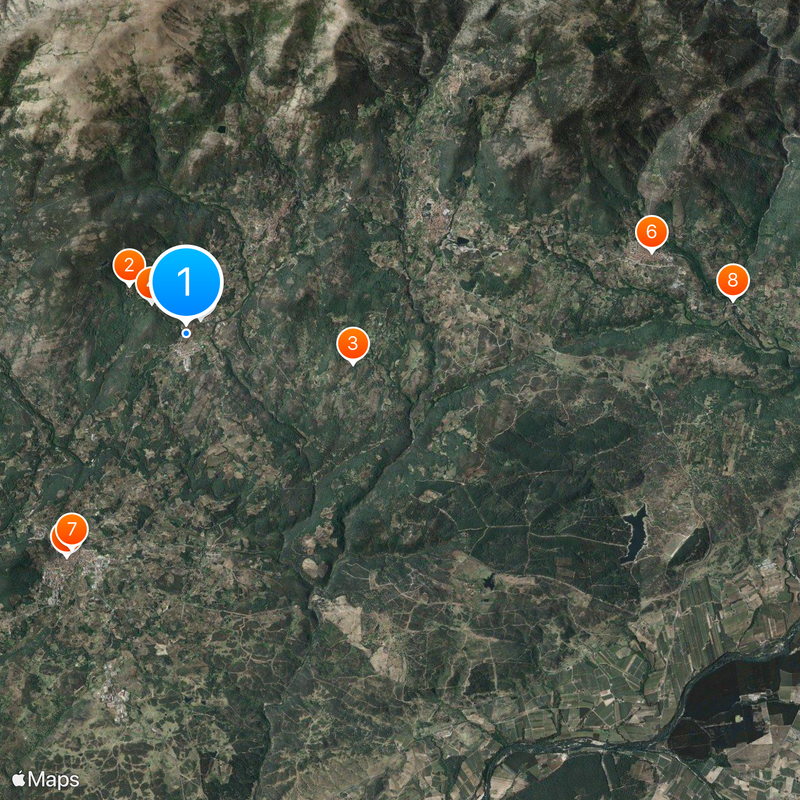
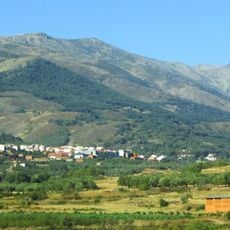
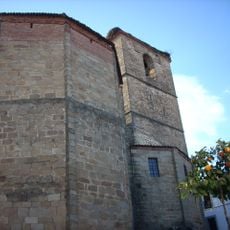
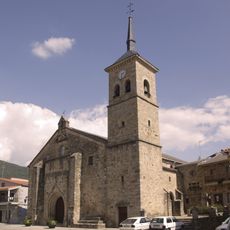
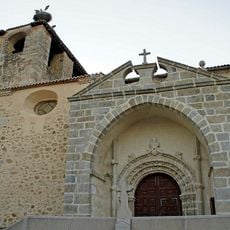
Cuacos de Yuste is a municipality in the La Vera region of Extremadura that serves as a gateway to significant landmarks such as the Monastery of Yuste and the Church of Nuestra Señora de Asunción. The area is connected by a network of roads that guide visitors to these historical structures.
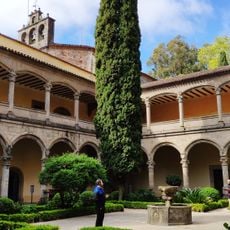
The Monastery of Yuste was founded in the 15th century and gained prominence when Emperor Charles V chose it as his retirement residence after abdicating in 1556. This decision established the place as a center of European history during that period.
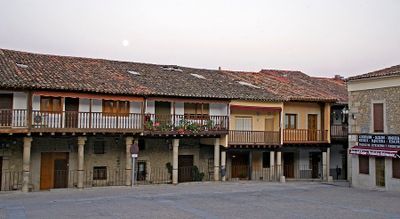
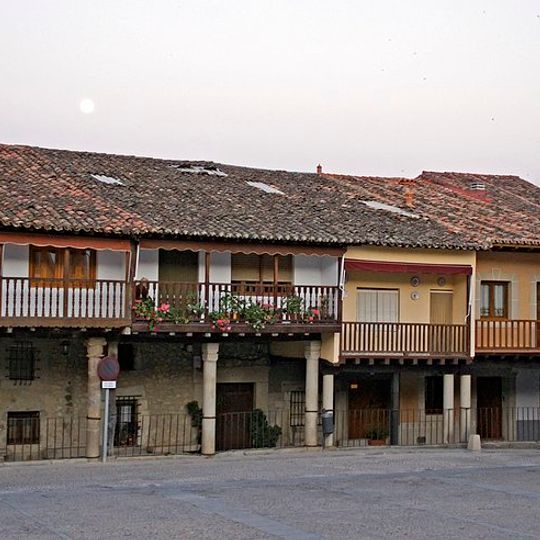
The town displays traditional architecture with wooden balconies and porches that reflect the building heritage of highland communities in Extremadura. This style shapes the appearance of local squares and speaks to the craftsmanship traditions of the region.
The municipality is easily accessible by road, with routes leading to the main attractions including the monastery and the church. Visitors should be prepared for hillside terrain and can explore both sites by walking the connecting paths.
The parish church houses a 16th-century organ originally from Antwerp that was transferred from the Monastery of Yuste. This rare instrument reveals the connection between this region and major European art centers of the Renaissance.
The community of curious travelers
AroundUs brings together thousands of curated places, local tips, and hidden gems, enriched daily by 92,407 contributors worldwide.