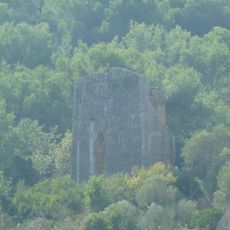
Cova Foradada, Archaeological cave site in Calafell, Spain.
Cova Foradada is an archaeological cave site in Calafell with a natural chamber system divided into two levels that connect via a sloping passage. A circular pool-like depression sits at the lowest point of the structure where generations of people left behind traces of their occupation.
The cave was home to human populations continuously from the Upper Paleolithic period through the Bronze Age and into the Early Iron Age, spanning thousands of years. Excavations starting in 1998 have gradually revealed how people's ways of life and tools evolved across these successive periods.
The site shows how ancient people used this cave for different burial practices across many centuries, with both inhumation and cremation visible in the remains. These varied customs reveal changing beliefs and ways that communities honored their dead over long periods of time.
The location sits on an elevated plateau overlooking the coastal area and requires sturdy footwear for exploring the cave passages and chambers. Visitors should move carefully on the sloped ramp connecting the two levels, as the ground surface is uneven in places.
Among the thousands of bones discovered at the site, one stands out: a phalanx from an imperial eagle bearing cut marks made by human hands. This discovery suggests that the ancient inhabitants deliberately hunted this majestic bird or harvested its bones for specific purposes.
The community of curious travelers
AroundUs brings together thousands of curated places, local tips, and hidden gems, enriched daily by 91,117 contributors worldwide.