Canal de la Vésubie, Historical water canal in Alpes-Maritimes, France
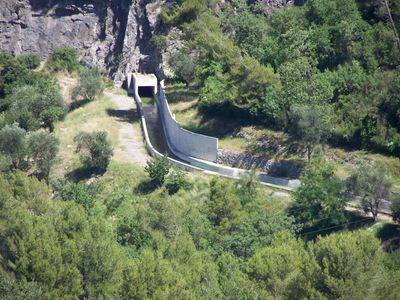
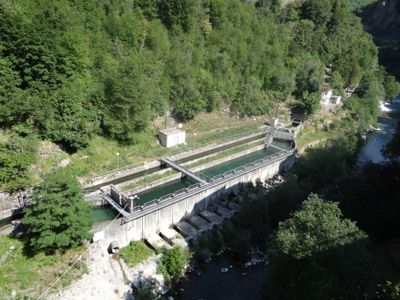
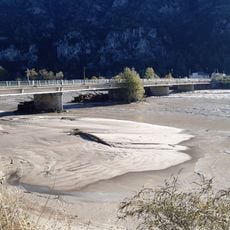
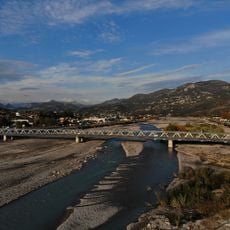
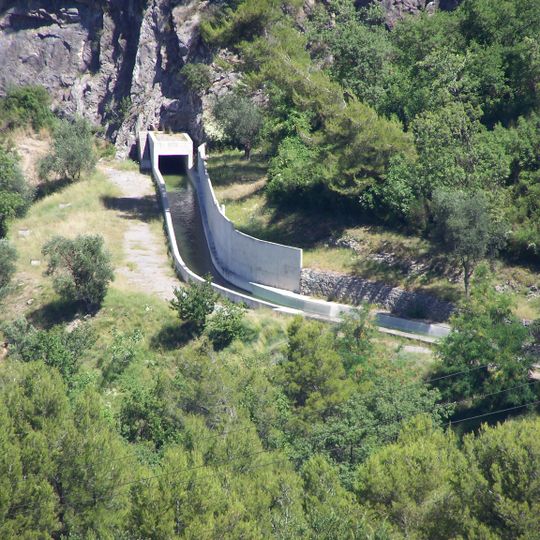
The Canal de la Vésubie is an engineering work that carries water from mountain valleys across terrain toward the coast through a combination of channels and passages. Its route includes both above-ground sections and underground stretches carved through rock to maintain a steady flow.
Work on the canal started when water shortages threatened city growth and continued for several decades as builders navigated challenging mountain terrain. Engineers developed techniques to tunnel through rock and maintain consistent water pressure across long distances.
The waterway shaped how people in this region think about mountain resources, turning a wild river into a controlled system that serves distant communities. Walking along it, you see how communities once depended entirely on this flow for survival.
Parts of the canal can be explored on foot along designated paths, though some sections are difficult to reach or pass through. Early morning visits are recommended to avoid midday heat and to see the water flow most clearly.
Several intake structures and locks along the route remain remarkably intact from their original construction, allowing visitors to see how water was controlled without modern machinery. These simple but ingenious devices still function as reminders of earlier engineering solutions.
The community of curious travelers
AroundUs brings together thousands of curated places, local tips, and hidden gems, enriched daily by 60,000 contributors worldwide.