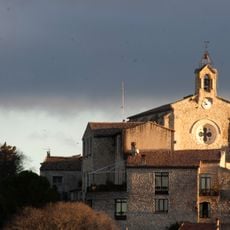
Aqueduc de Castries, 17th-century stone aqueduct in Castries, France
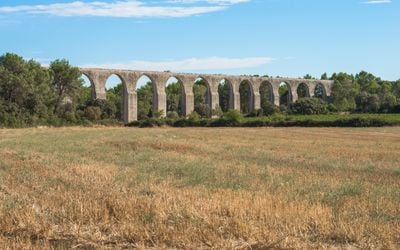
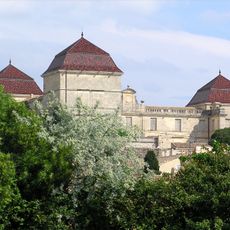
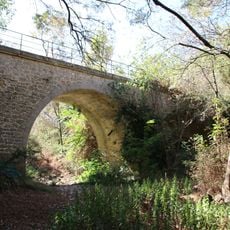
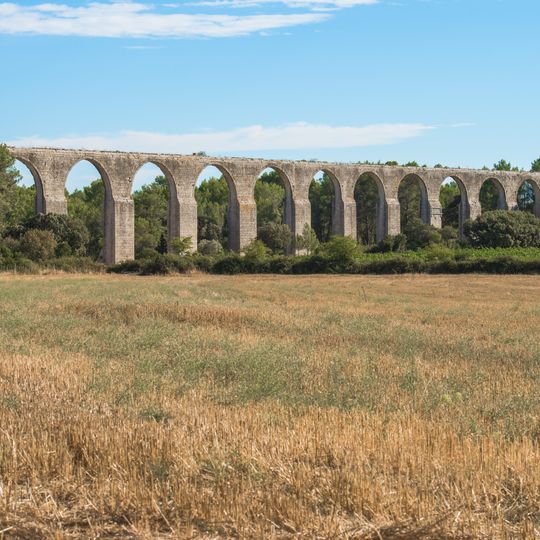
The Aqueduc de Castries is a stone water system that carries water over about 7 kilometers through different forms: underground channels, passages along hillsides, and arched bridges. The network connects the water source to the central basin of Château de Castries.
Pierre-Paul Riquet, the renowned engineer behind the Canal du Midi, built this water system in 1670 to serve the château. The project was an ambitious undertaking that showcased the technical advances of French engineering at that time.
The structure demonstrates how water management shaped daily life and estate operations in the 17th century. The careful routing of water through the landscape reveals the importance of reliable supply for grand properties and their gardens.
The structure can be visited year-round and sits less than 20 kilometers from Montpellier to the south. The best way to explore the various sections is to walk slowly along the visible arches and channels, especially where the structure rises above ground.
The project was the largest hydraulic structure ever built for a private person in France and used stone from local Castries quarries. This distinction underscores the exceptional wealth and power of the family living in the château.
The community of curious travelers
AroundUs brings together thousands of curated places, local tips, and hidden gems, enriched daily by 90,888 contributors worldwide.