Tuscan wine, Wine production region in Tuscany, Italy
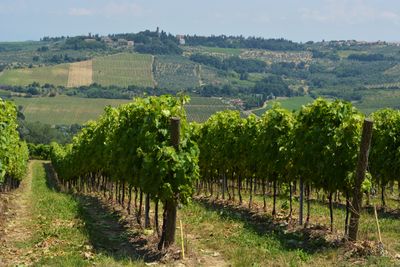
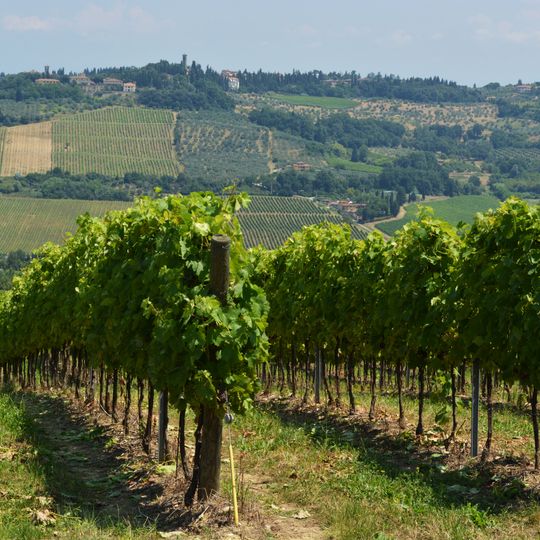
The region produces several protected designations, including Chianti, Brunello di Montalcino, and Vino Nobile di Montepulciano, spread across rolling hills between Florence and Siena. Most estates cultivate Sangiovese as the primary variety, with smaller amounts of Canaiolo, Colorino, and international grapes rounding out blends.
Etruscan settlers brought viticulture to the area in the 8th century BC, exporting their production to ancient Greece. During the Middle Ages, Florentine guilds regulated trade and set quality standards that foreshadowed today's denomination system.
The name Sangiovese derives from Latin «Sanguis Jovis», meaning blood of Jupiter, reflecting the grape's central role in the region. Many estates maintain traditional cultivation methods on hillside terraces, where visitors often see old cellars with large wooden barrels used for aging.
Most estates offer tours and tastings by appointment, with some smaller producers opening only during certain seasons. Visitors planning to explore several properties should rent a car, as public transport rarely serves rural vineyard areas.
The coastal zone produces wines called Super Tuscans, which combine traditional Sangiovese grapes with Cabernet Sauvignon or Syrah and often sell outside the classic denomination system. These modern blends emerged in the 1970s and have gained international recognition for their expression.
The community of curious travelers
AroundUs brings together thousands of curated places, local tips, and hidden gems, enriched daily by 91,648 contributors worldwide.