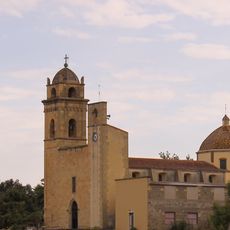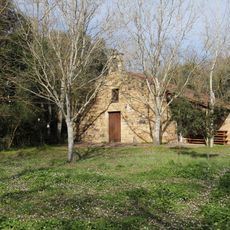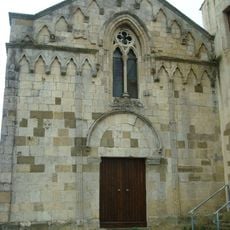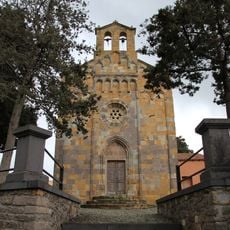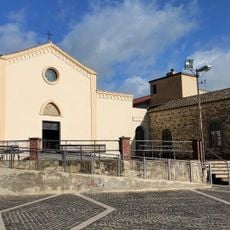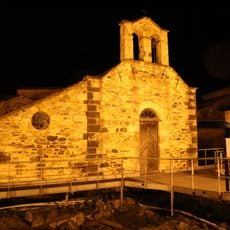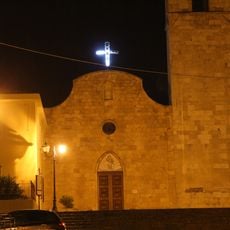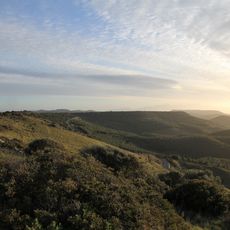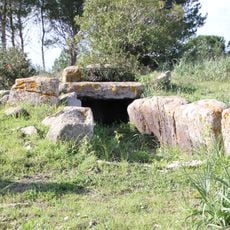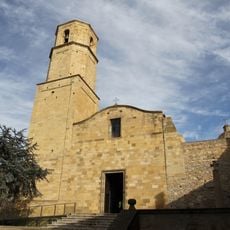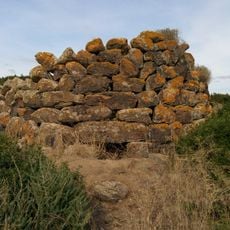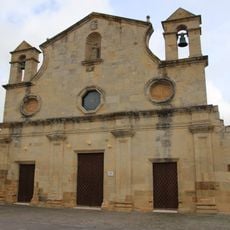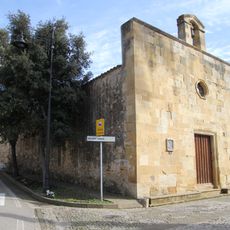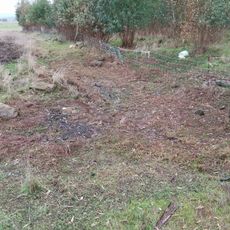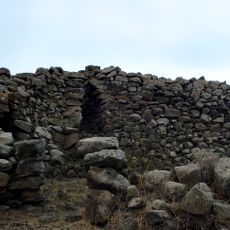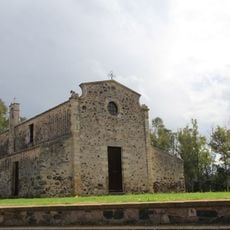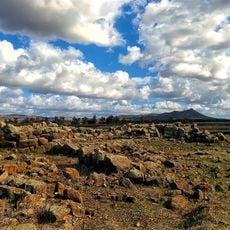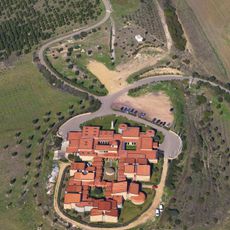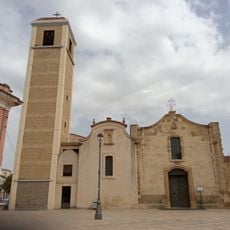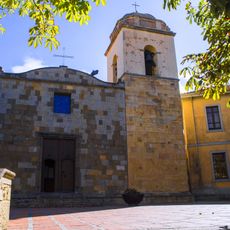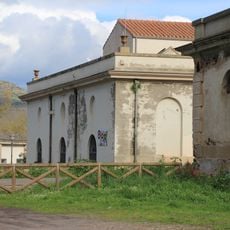
Area archeologica di Sant'Anastasia, Archaeological site and museum in Sardara, Italy.
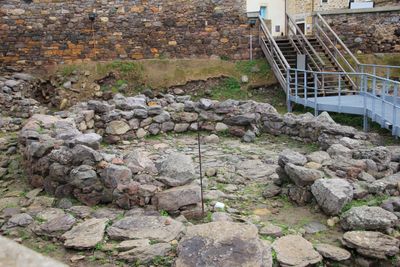
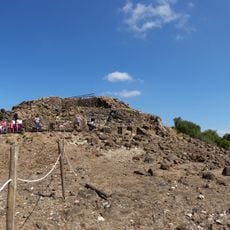
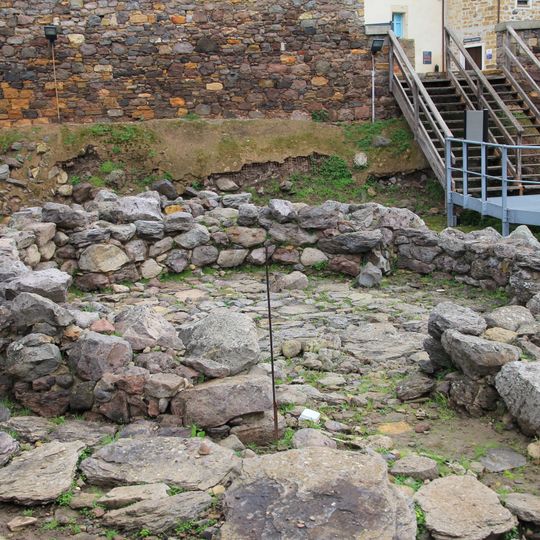
The archaeological site near Sardara contains four nuragic wells built during the Bronze Age. The main well was constructed from basalt and limestone blocks and extends across a considerable length.
The site dates to the Late Bronze Age when these well complexes developed as centers of religious worship. The structures show how important water was to nuragic society and how they connected spiritual practices with their surroundings.
The sacred wells show how ancient inhabitants viewed water as a source of spiritual power. People came here to take part in religious rituals and use the water for healing purposes.
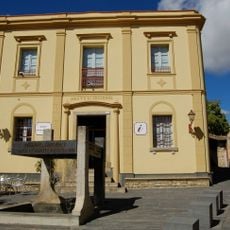
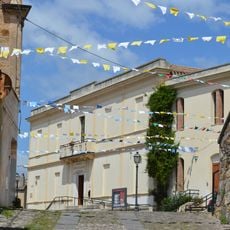
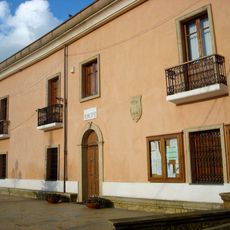
Access is through the Pilloni house, a 17th-century building that serves as the ticket office and cultural center. Plan time for your visit and check opening hours beforehand, as the site is open only during set times.
The main well features a circular chamber accessed by descending steps. The ceiling was shaped into a false dome using stacked stones, a building technique that shows how skilled nuragic builders were.
The community of curious travelers
AroundUs brings together thousands of curated places, local tips, and hidden gems, enriched daily by 60,000 contributors worldwide.