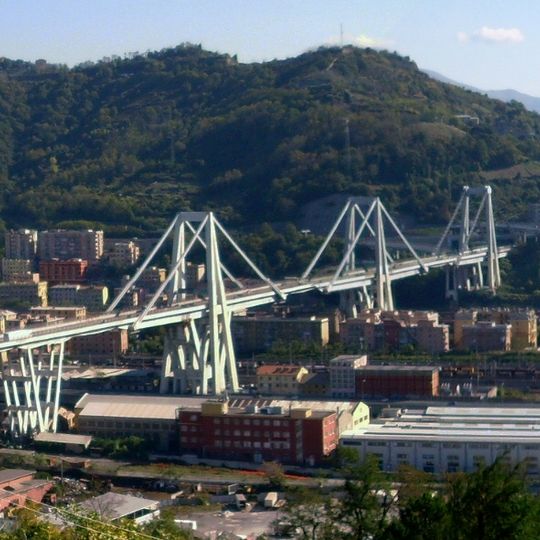
Polcevera Viaduct, Highway viaduct in Genoa, Italy
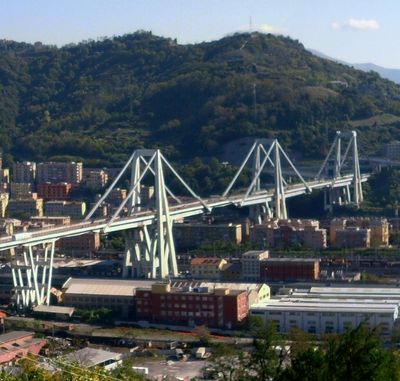
The Polcevera Viaduct was a destroyed bridge that once spanned the river valley in Genoa and was made from reinforced and prestressed concrete. The structure with its slender supports and steel cables reached up to 90 meters in height at some points and carried multiple lanes across a total length of more than one kilometer.
Engineer Riccardo Morandi designed the structure in the early 1960s, and it opened in 1967. In August 2018, a central section collapsed and the entire bridge was demolished in the following months.
The bridge took its name from the Polcevera River and connected densely built residential areas in the west with industrial zones to the north. It served as part of daily life for commuters who relied on it as the quickest way to reach the port and factories.
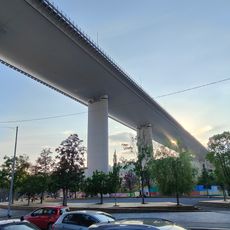
The site is near Genoa Sampierdarena railway station and can be reached easily on foot through surrounding residential streets. Today, a new bridge stands at the location and is clearly visible in the city skyline, serving as a reference point for visitors interested in the area's history.
The pylons consisted of hollow concrete elements containing steel cables that were severely affected by chemical processes and moisture over the years. This construction method was new at the time and considered advanced, but later revealed weaknesses that led to extensive discussions about the maintenance of such structures.
The community of curious travelers
AroundUs brings together thousands of curated places, local tips, and hidden gems, enriched daily by 92,179 contributors worldwide.