Necropoli di Tarquinia, Archaeological site in Tarquinia, Italy
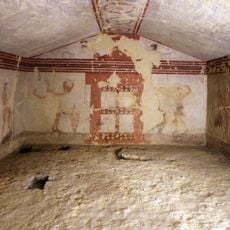
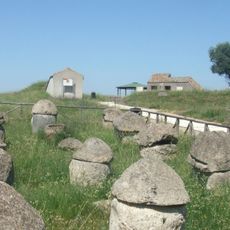
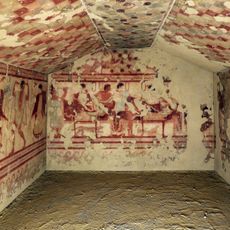
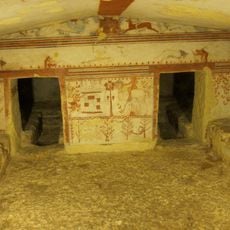
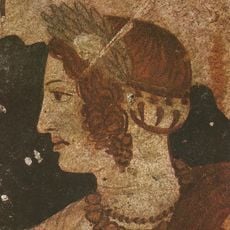
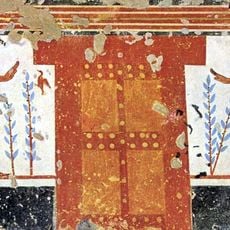
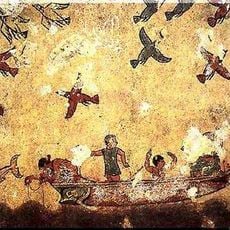
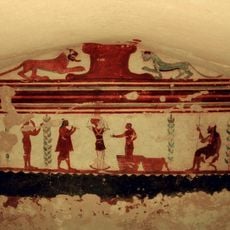
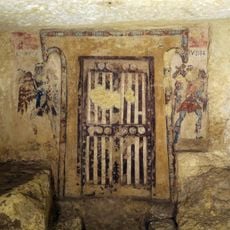
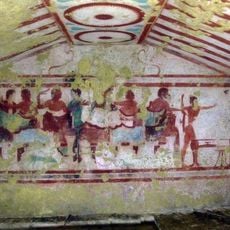
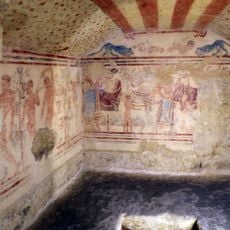
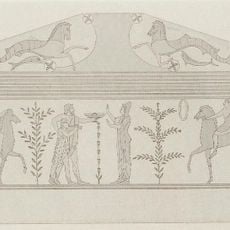
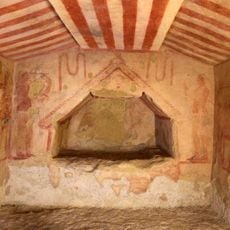
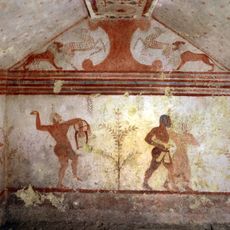
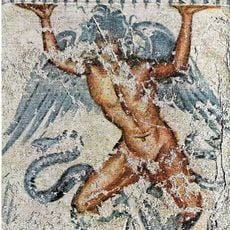
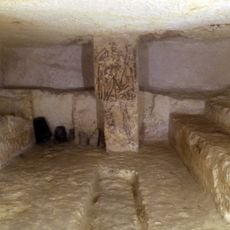
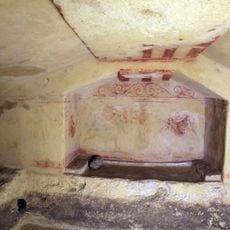
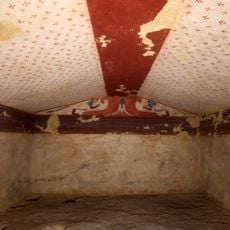
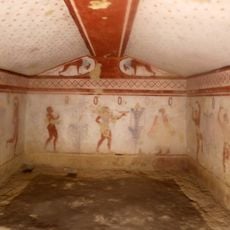
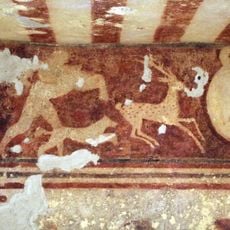
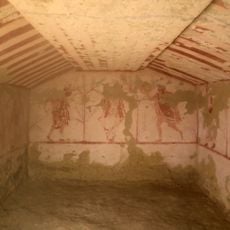
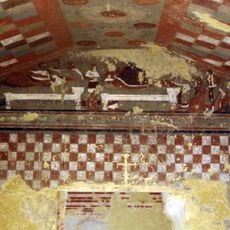
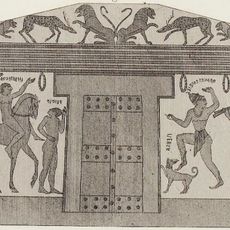
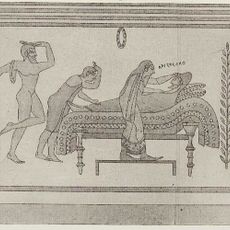
The necropolis of Tarquinia is a burial ground containing roughly 6,000 tomb chambers carved into limestone rock, with over 200 featuring preserved wall paintings. These frescoes depict scenes ranging from music performances to hunting and ceremonies, offering a rare window into ancient artistic skill.
The necropolis was founded in the 9th century BC and developed over several centuries, with tombs reflecting different phases of Etruscan burial traditions. It remained in use until around the 3rd century BC, recording the evolution of this civilization until its incorporation into Rome.
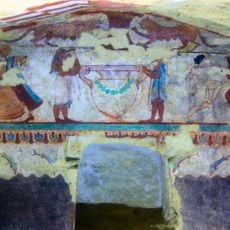
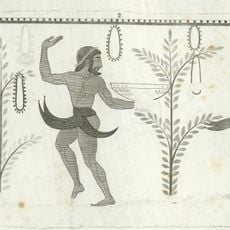
The painted chambers show scenes of musicians, dancers, and banquets that reflect how the Etruscans imagined daily life and the afterlife. These images reveal what activities mattered to them and how they understood their place in the world.
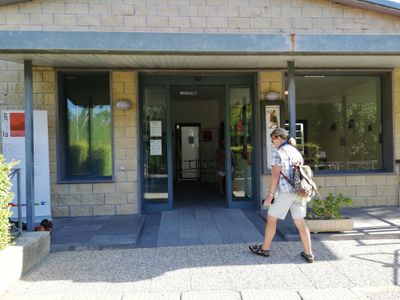
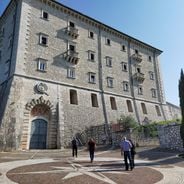
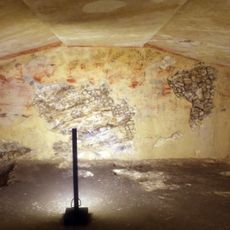
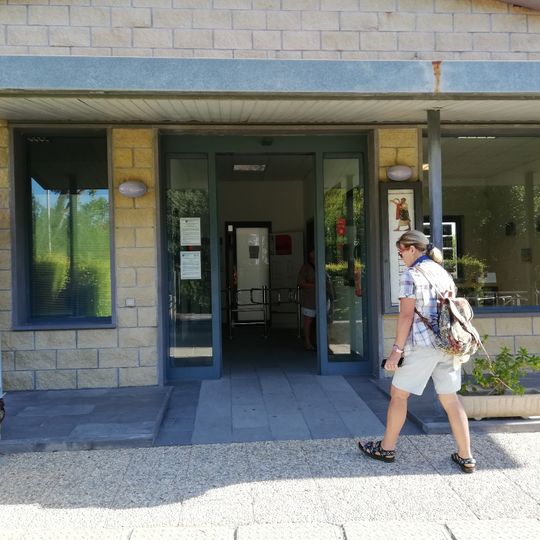
Visitors can enter 20 selected painted tomb chambers through modern structures, while other finds are displayed at the National Archaeological Museum in Palazzo Vitelleschi. It is wise to visit both locations to get the full picture, as the museum provides artifacts and details that give context to the burial site.
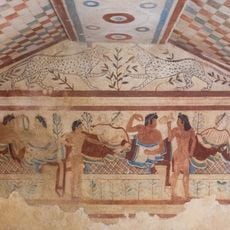
Among the 200 painted tombs, the Tomb of the Leopards stands out for its detailed wall paintings featuring leopards and hunting scenes that appear unchanged over time. This chamber is among the best preserved and shows how ancient works of art retained their colors across thousands of years.
The community of curious travelers
AroundUs brings together thousands of curated places, local tips, and hidden gems, enriched daily by 92,123 contributors worldwide.