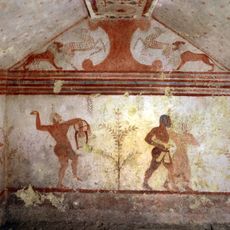
Tomba dei Giocolieri, Etruscan tomb in Monterozzi Necropolis, Italy
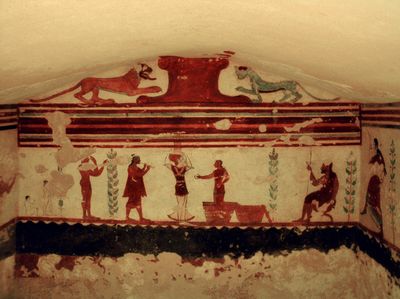
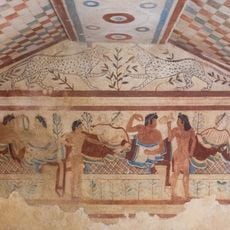
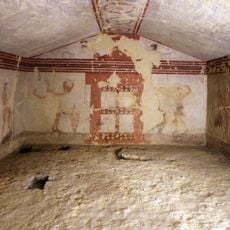
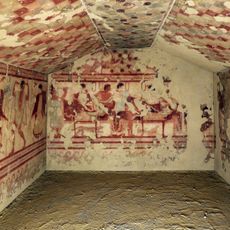
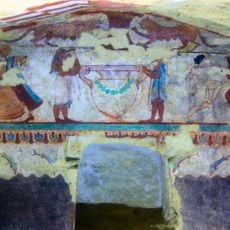
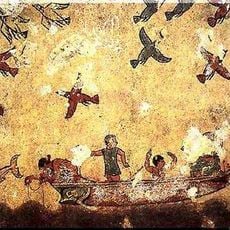
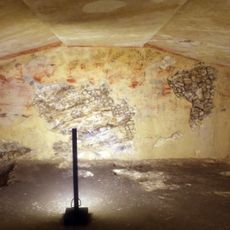
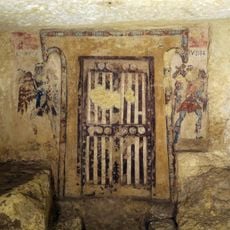
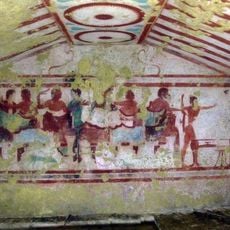
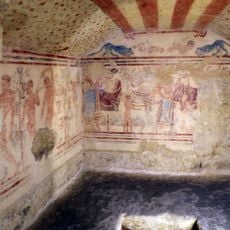
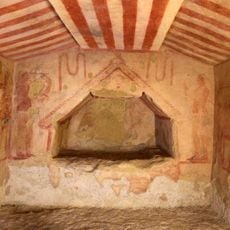
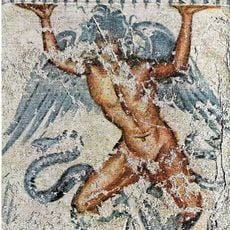
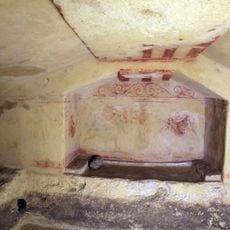
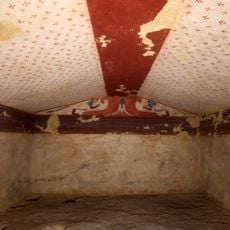
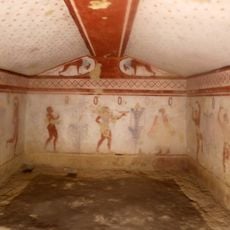
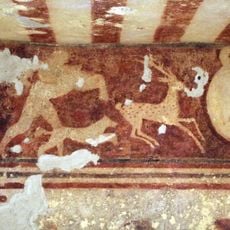
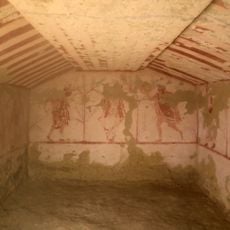
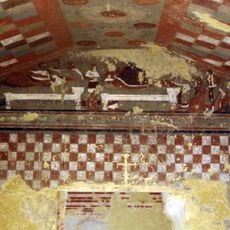
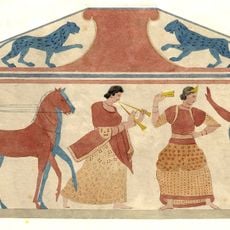
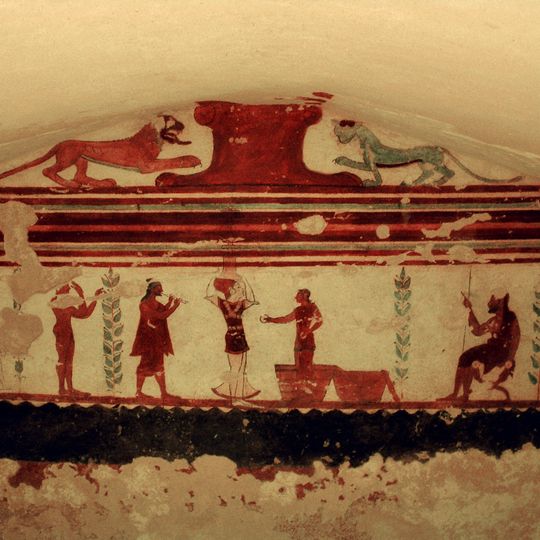
This underground chamber from the 6th century BC is covered with frescoes depicting acrobats, dancers, and musicians in detailed scenes. The walls show performers juggling discs, executing acrobatic moves, and musicians playing instruments, all rendered in vibrant colors and precise brushwork.
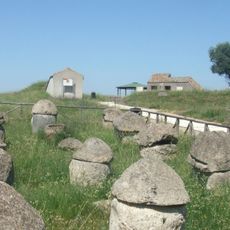
The tomb dates to around 510 BC and was discovered in 1961 as part of the Monterozzi Necropolis near Tarquinia. It represents one of the most important centers of Etruscan burial practices and demonstrates the artistic skills of this ancient civilization.
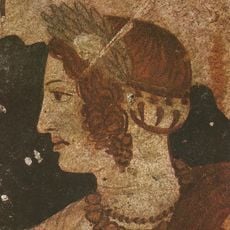
The painted walls show entertainers and musicians performing in flowing garments, revealing how the Etruscans viewed celebration and the afterlife. These scenes provide insight into the importance of music and dance in their daily world.
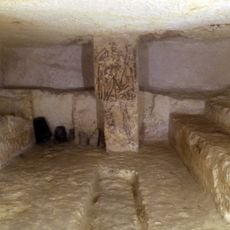
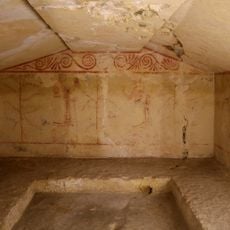
Access to the chamber is through a narrow entrance corridor that leads into the interior space. Wear comfortable shoes and plan for a confined underground setting, as the rooms are small and the passages are tight.
Among the painted figures, there is an unusual depiction of a man named Aranth Hercanos shown in a very direct and natural physical pose. This rare scene reveals a humorous or everyday aspect of Etruscan life that was seldom captured in ancient art.
The community of curious travelers
AroundUs brings together thousands of curated places, local tips, and hidden gems, enriched daily by 91,645 contributors worldwide.