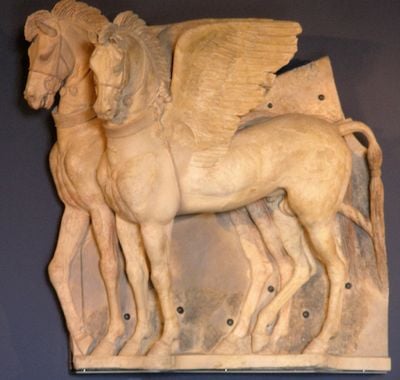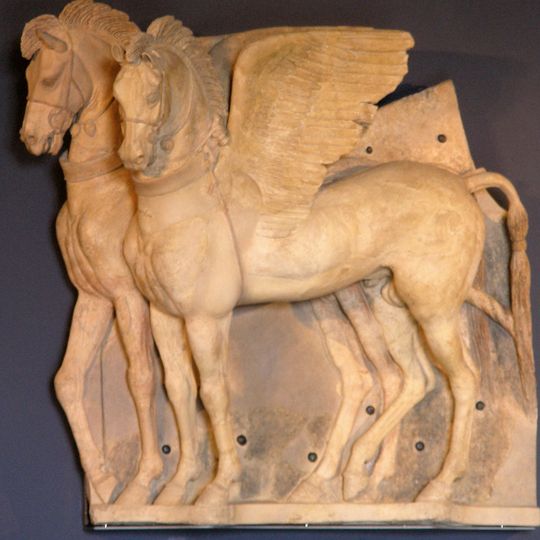
Winged-horses of Tarquinia, Ancient terracotta sculpture in National Archaeological Museum of Tarquinia, Italy
The Winged Horses of Tarquinia are terracotta sculptures depicting two horses with outstretched wings in a prancing position. Standing about 124 centimeters (4 feet) tall and measuring 114 centimeters (3.7 feet) across, they display the refined craftsmanship of Etruscan artisans.
The sculpture was discovered in 1938 by archaeologist Pietro Romanelli at the Civita site, broken into more than 100 fragments. The pieces reveal that this work originally crowned a temple from the 4th century before the common era.
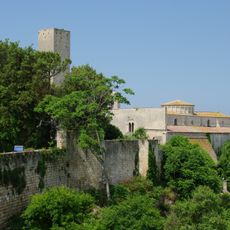
These sculptures once adorned the temple Ara della Regina and show how the Etruscans depicted gods and mythical beings in their sacred spaces. They reveal how people of that era used art to bring divine power into their religious buildings.
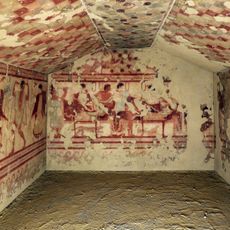
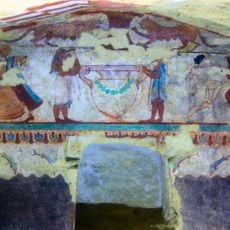
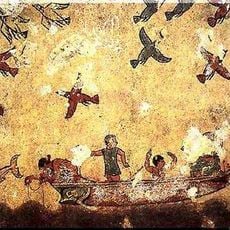
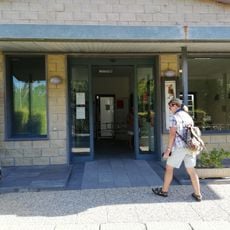
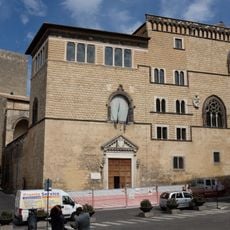
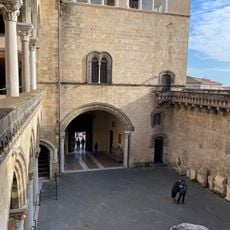
The work is displayed in the National Archaeological Museum of Tarquinia, where visitors can see it alongside other Etruscan pieces. Plan time to explore the surrounding exhibits that showcase the artistic techniques this civilization mastered.
What stands out is how the horses emerge from the panel surface, gradually transitioning from flat relief to full three-dimensional form. This technique demonstrates how Etruscan artists blurred the boundary between relief and free-standing sculpture while crafting intricate details in the wings and heads.
The community of curious travelers
AroundUs brings together thousands of curated places, local tips, and hidden gems, enriched daily by 92,500 contributors worldwide.