Nanzen-ji Temple, Rinzai Zen head temple in Sakyō-ku, Kyoto, Japan
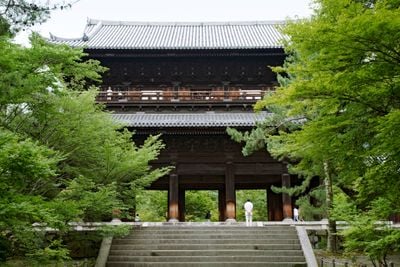
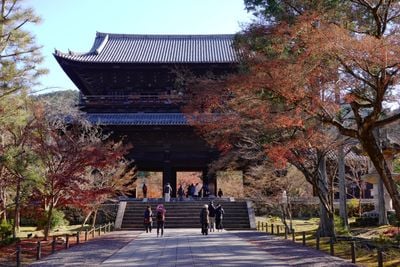
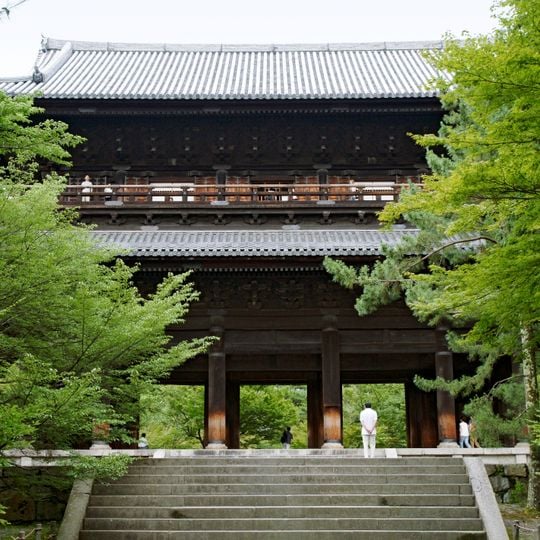
Nanzen-ji is a Rinzai Zen temple complex in Sakyō-ku, Kyoto, founded in 1291 on the site of Emperor Kameyama's detached palace. Its Sanmon gate, rebuilt in 1628, is a two-storey timber structure with three vast openings, a balcony rail above, and two sweeping grey tiled roofs; a broad stone stairway leads up to it. The grounds also hold the Hōjō, a National Treasure with gold-screen paintings and a rock garden by Kobori Enshu, and the brick aqueduct of 1888.
An emperor converted his villa into a Zen site in the late 13th century and appointed a well-known master as the first abbot. The estate later gained highest rank among Kyoto's major Zen monasteries.
The complex serves as headquarters for an important Rinzai lineage and draws practitioners for meditation sessions in the main halls. Visitors often notice the quietness in the courtyards, where traditional elements of Zen practice remain visible.
A subway station nearby offers walking access within a few minutes, and different areas each require separate admission. Early morning or late afternoon visits often help avoid larger groups.
A 19th-century brick aqueduct runs through the grounds and channels water from a distant lake through arches that recall European engineering. This contrast between Zen architecture and Western construction style stands out to visitors immediately.
The community of curious travelers
AroundUs brings together thousands of curated places, local tips, and hidden gems, enriched daily by 92,381 contributors worldwide.