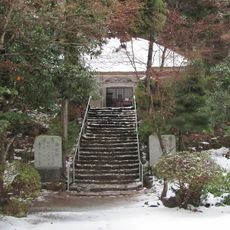
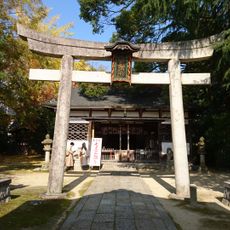
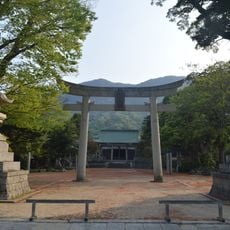
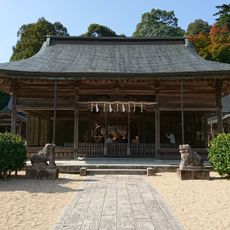
Niizaki-jinja, Shinto shrine in Japan
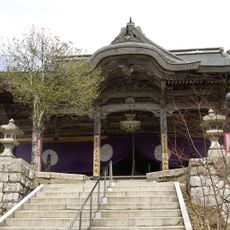
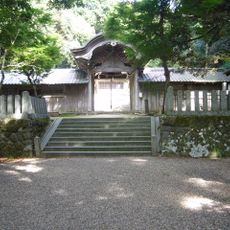
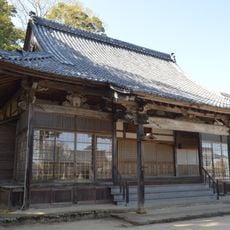
Niizaki-jinja is a Shinto shrine in the Niizaki district of Ine, Kyoto Prefecture, enshrining Xufuku, the Qin dynasty envoy sent by the First Emperor to seek the elixir of immortality. The shrine's founding is recorded as 7 July 998; the current main hall was repaired and its shelter rebuilt in April 1961. It stands near the Niizaki coast, where the nine-jointed iris and black-stemmed mugwort that Xufuku sought still grow.
The shrine was founded to honor Xufuku, a legendary Chinese sailor who arrived centuries ago and shared his knowledge of healing herbs, astronomy, and farming with local people. After his death, the community built this shrine to keep his legacy alive and continue seeking blessings for health and prosperity.
The shrine's deity is Xufuku, the Chinese envoy sent by Qin Shi Huang to find the elixir of immortality, who is said to have landed at Niizaki. He is linked to the herbs "nine-jointed sweet flag and black-stemmed mugwort," which still grow on the nearby Niizaki coast and are used for mugwort rice cakes.
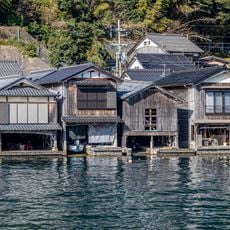
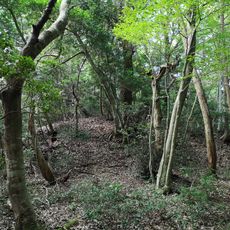
The shrine is best visited during daylight hours when light filters gently through the trees and you can take in the surroundings. Getting there is straightforward, and some visitors arrive by boat across the water, which offers a peaceful journey with coastal views.
The shrine sits on high cliffs overlooking the sea and is connected to legends of seekers pursuing immortality and longevity that drew ancient Chinese sailors to the area. Local tales describe how Xufuku used healing herbs like mugwort, which grow abundantly nearby, and shared their powers with others.
The community of curious travelers
AroundUs brings together thousands of curated places, local tips, and hidden gems, enriched daily by 93,611 contributors worldwide.