Honkyō-ji Temple, Buddhist temple in Ōmura, Japan.
Honkyō-ji is a Nichiren Buddhist temple in Ōmura, Nagasaki Prefecture, with the mountain name Bansai-zan. Construction began in 1605 under Ōmura Yoshiaki, the first lord of the Ōmura domain, and the temple was opened in 1608. It belongs to the Rokkaku-monryū line, with the former head temple Honkoku-ji, and is one of its three principal temples.
Construction began in 1605 under Ōmura Yoshiaki, first lord of the Ōmura domain, and the temple was largely completed and consecrated in 1608. Yoshiaki, whose father Sumitada had been a Christian daimyō, converted to Nichiren Buddhism as the Tokugawa shogunate tightened its ban on Christianity, and built the temple as the family's burial ground. Nichie, a leading disciple of Nisshin of Honmyō-ji in Kumamoto, was invited as first abbot.
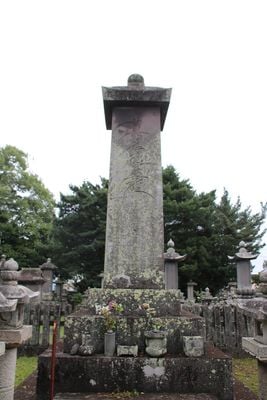
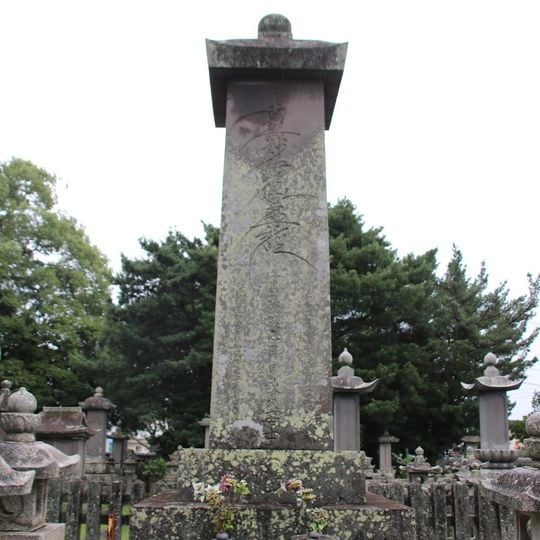
Honkyō-ji belongs to the Nichiren school and was one of the three head temples of the Rokujō-monryū line, with the major head temple Honkoku-ji as its former honzan. The temple was built as the family temple of the Ōmura clan after Lord Yoshiaki converted from Christianity to Nichiren Buddhism. The Ōmura family cemetery, a national historic site, lies on the south side of the grounds and holds the graves of the first lord Yoshiaki through the eleventh lord Sumiaki.
Honkyō-ji stands in Ōmura, Nagasaki Prefecture, not near any tram line. By train, take the JR Ōmura Line to Ōmura Station, then a bus toward Takematsu and get off at the Kamikuidetsu stop, three minutes on foot. By car it is about five minutes from JR Suwa Station and ten minutes from the Ōmura Interchange on the Nagasaki Expressway.
The temple holds the tomb of Ōmura Yoshiaki, first lord of the Ōmura domain, who began building it in 1605 and converted to the Nichiren school; the family cemetery, a national historic site, lies on the south side of the grounds.
The community of curious travelers
AroundUs brings together thousands of curated places, local tips, and hidden gems, enriched daily by 93,432 contributors worldwide.