Kurita Museum, Ceramics museum in Komabachō, Ashikaga, Japan.
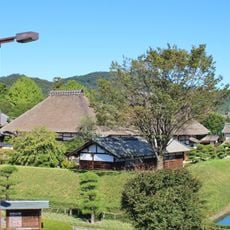
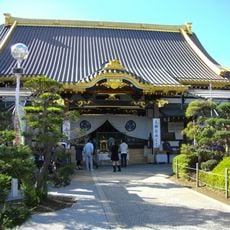
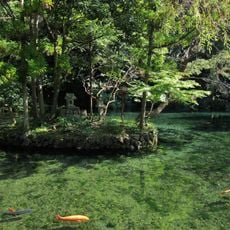
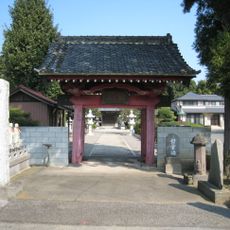
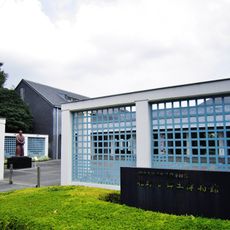
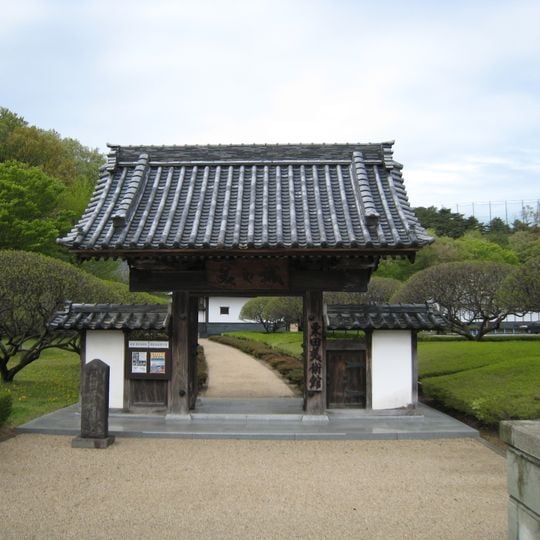
Kurita Museum is a ceramics museum in Komabachō, Ashikaga, Tochigi Prefecture, Japan, specializing in Imari and Nabeshima porcelain. Its main building, designed by Kajima Corporation, won the 18th BCS Award. The 30,000-tsubo grounds hold about 30 structures, including the main hall, a large gate, the World Ceramics Hall, and gardens, all laid out by founder Hideo Kurita.
Hideo Kurita, head of the Kurita Political and Economic Research Institute, collected Imari and Nabeshima porcelain for about half a century until his death in 1996. The museum opened in October 1968 in his remodeled home in Nihonbashi, Tokyo, and was opened to the public in April 1974. The Ashikaga main building followed in November 1975; its architecture received the 18th BCS Prize.
The name Imari comes from the port in Hizen Province (now Saga Prefecture) from which Arita porcelain was shipped; Nabeshima ware was fired in the same province as the Nabeshima clan's official kiln, producing mainly pictorial plates for the lord and for gifts to other domains. Hideo Kurita called these Hizen porcelains the finest works in the history of world ceramics.
The museum is a 10-minute walk from JR Tomita Station or 8 minutes from Ashikagahanawa Park Station, and about 15 minutes by taxi from Ashikagashi Station. A large car park holds 350 vehicles, 15 minutes from the Sano-Fujioka interchange. Opening hours are 9:30 to 17:00, closed Mondays (the next day if a holiday) and 28 December to 2 January.
Freddie Mercury visited the museum privately in September 1986, enjoyed the collection and asked to buy pieces; he was delighted with a catalogue given to him. The anecdote is well known among fans, and younger visitors increased after the film Bohemian Rhapsody.
The community of curious travelers
AroundUs brings together thousands of curated places, local tips, and hidden gems, enriched daily by 94,021 contributors worldwide.