Unryū-ji, Buddhist temple in Tatebayashi, Japan
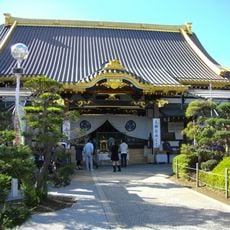
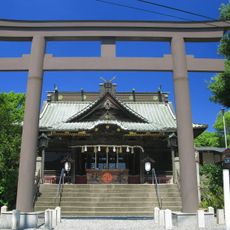
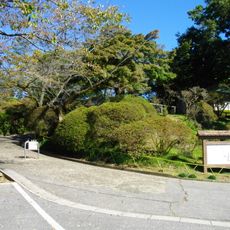
Unryū-ji is a Buddhist temple in Tatebayashi featuring a main complex arranged around interior halls and garden spaces. A round window in one of the auxiliary buildings frames a view of the garden with camellias, lanterns, Japanese maples, and pine trees.
Unryū-ji was founded in 1553 by retainers of the Hayakawada clan as a Sōtō Zen temple. In October 1896, after the great flood of that year, Tanaka Shōzō set up the Tochigi-Gunma mining pollution office here, which became the headquarters of the petition to halt the Ashio copper mine, drawing victims from Tochigi, Gunma, Saitama and Ibaraki. One of three relief clinics, Kyōgendō, was also opened at the temple. In February 1900, pollution victims gathered here before marching on Tokyo and were suppressed at Kawamata.
Unryū-ji is a Sōtō Zen temple where Tanaka Shōzō, leader of the Ashio copper mine pollution struggle, based his campaign from 1896. A memorial ceremony for him is held here every year on 4 October, and part of his ashes is buried on the grounds alongside the graves at Sōgen-ji and Jōren-ji.
The temple is located east of central Tatebayashi and is accessible daily to visitors. Plan time to explore both the garden areas and interior spaces, with parking available on the grounds.
In 1913 Tanaka Shōzō stopped at this temple shortly before collapsing at a supporter's house; he died on 4 September without returning to his home in the former Yanaka village. Part of his ashes was interred here, alongside Sōshū-ji and Jōren-ji, and a memorial ceremony is held at the temple every 4 October.
The community of curious travelers
AroundUs brings together thousands of curated places, local tips, and hidden gems, enriched daily by 94,821 contributors worldwide.