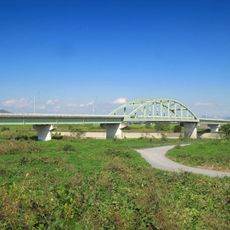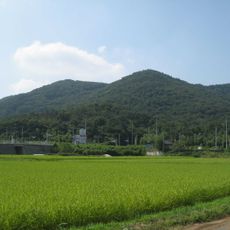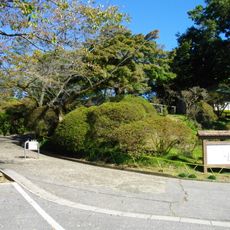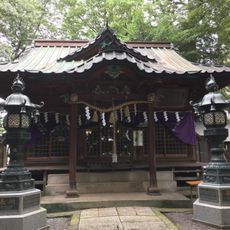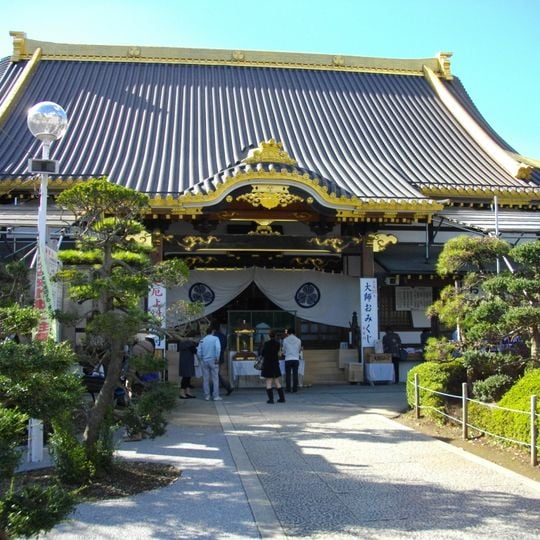
Sōshū-ji Temple, Buddhist temple in Sano, Japan
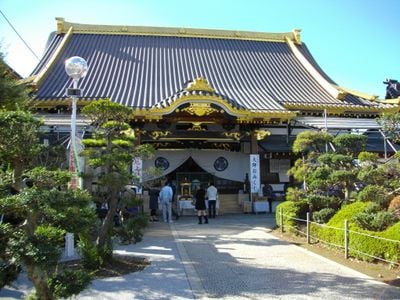
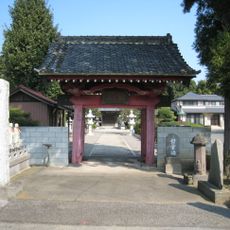
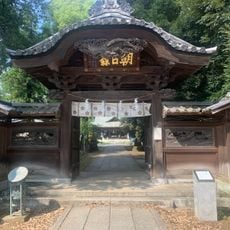
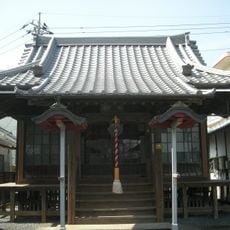
Sōshū-ji is a Buddhist temple in Sano, Tochigi Prefecture, with buildings arranged around a central courtyard that follow the traditional layout of Japanese religious architecture. The compound includes prayer halls with wooden floors and curved tile roofs, along with gardens and pathways connecting the different pavilions.
Fujiwara no Hidesato established this temple in 944, when the surrounding area was still largely rural and undeveloped. The site has survived wars and natural disasters over the centuries, making it one of the oldest continuously active Buddhist institutions in the region.
The name references an ancient Chinese province, reflecting how early Japanese Buddhism drew inspiration from teachings that traveled across the sea. Worshippers still light incense and bow before the altars, while monks carry out their daily rituals in the prayer halls just as practitioners have done for centuries.
The temple grounds remain open to visitors from sunrise to sunset every day, though guests should keep noise to a minimum and respect the prayer areas. Those wishing to enter the halls should remove their shoes at the entrances and avoid disturbing any ceremonies that may be taking place.
One of the side buildings houses a collection of old sutras and religious texts that scholars have studied for centuries. Some of these documents date back to the founding period and show the calligraphy and inks used at that time.
The community of curious travelers
AroundUs brings together thousands of curated places, local tips, and hidden gems, enriched daily by 60,000 contributors worldwide.