Yokokura-ji Temple, Buddhist temple in Ibigawa, Japan
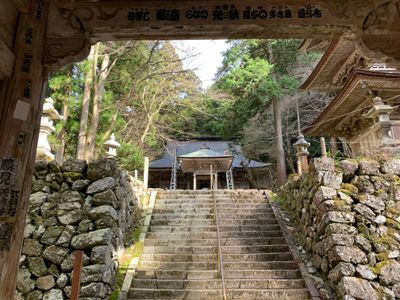
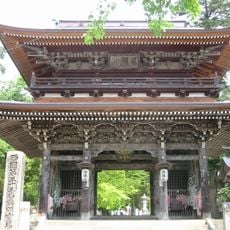
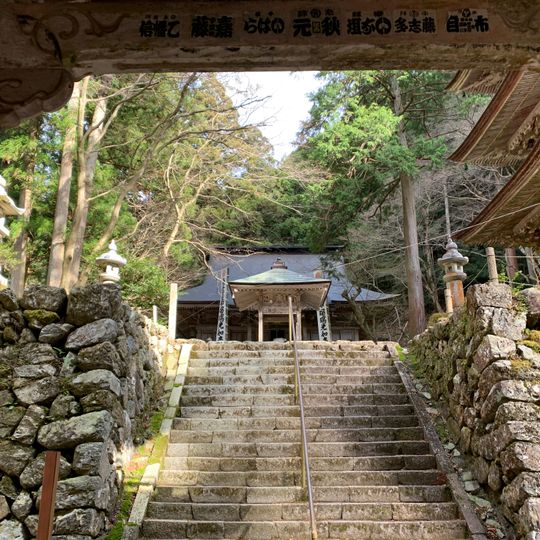
Yokokura-ji is a Tendai Buddhist temple in Ibigawa, Gifu Prefecture, with a main hall (1671) and a three-story pagoda (1663), both roofed with cypress bark shingles. The main hall is five bays wide, and the two-story gate (1675) has guardian statues on either side. Behind the main hall are the reliquary hall and the Yuri Hall, which are open to visitors.
According to temple tradition, Saichō founded Yokokura-ji in 805 after carrying a Yakushi statue from Mount Hiei; the original site lay about 1.5 km deeper in the mountains. In the Kamakura period it had 38 cloisters, but Oda Nobunaga's troops burned it in 1571. The main hall (1671), three-story pagoda (1663) and Niō gate (1675) are Edo-period rebuilds.
The temple is nicknamed the 'Shosoin of West Mino' for its many Buddhist statues and the Hokke Mandala carved in white sandalwood, not for paintings or books. The name Yokokura-ji, 'side-storehouse temple', is said to come from Saicho placing a small gilded Yakushi he brought from China beside a larger wooden one. The main image is shown only once every sixty years.
The temple grounds are free to enter; the reliquary hall and treasure hall share a combined admission ticket. The Tokai Nature Trail passes through the precinct, and walking paths are laid out in the surrounding mountains as the Gifu Prefectural Citizens' Recreation Forest. Parking is free except during the autumn foliage season.
The mummified body in the Shari-dō is Myōshin-hōshi, born Kōichirō Furuno in 1781 in a village near the temple. He fasted, then entered nyūjō on Mount Mishōdai in Yamanashi in 1817 at age 36, and his body dried naturally without treatment. He is the youngest sokushinbutsu still extant in Japan, and the temple's is the southernmost and westernmost one open to view.
The community of curious travelers
AroundUs brings together thousands of curated places, local tips, and hidden gems, enriched daily by 93,372 contributors worldwide.