Kegon-ji, Buddhist temple in Ibigawa, Japan
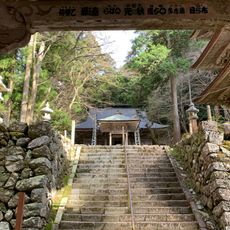
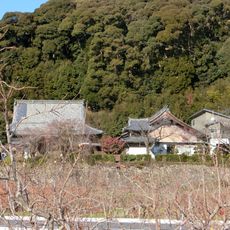
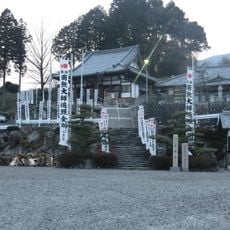
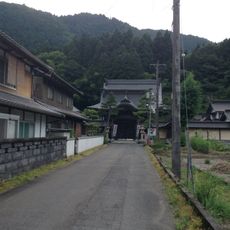
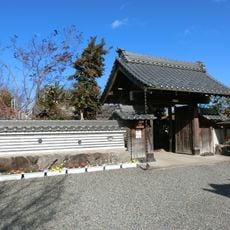
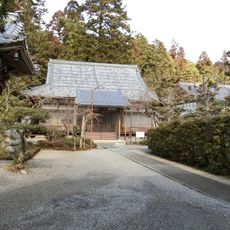
Kegon-ji is a Buddhist temple in the town of Ibigawa, Japan, set on a slope with several halls built in traditional timber style, stone lanterns, and tall old trees across the grounds. The complex unfolds over multiple levels, blending built structures with the surrounding forest.
According to the temple's origin record, it was founded in 798 by Ōguchi-dairyō, a district official from Aizu, who enshrined an eleven-faced Kannon he had commissioned in Kyoto. In 917 Emperor Daigo granted the name Tanigumi-san, and in 944 Emperor Suzaku designated it a temple for national protection. The cloistered emperor Hanazono fixed it as the 33rd and final stop of the Saigoku pilgrimage.
Pilgrims on the Saigoku route end their journey here, the 33rd and final temple. At the Oizuru-dō behind the main hall they leave their pilgrim vest (oizuru), staff and other gear, reciting a verse about laying down the vest that served them until now at Tanigumi in Mino. Paper cranes are offered there because orizuru, folded crane, echoes oizuru.
From Tanigumi-guchi Station on the Tarumi Railway, a community bus reaches the temple in about 8 minutes; from Ibi Station on the Yoro Railway, the Yokura line bus takes about 25 minutes. Some services run only seasonally, and on days without them only morning and evening buses operate. By car, the temple is about 19 minutes from the Motosu IC and 24 minutes from the Ono-Kobe IC on the Tokai-Kanjo Expressway.
Two bronze carp, called shōjin-oroshi no koi, are fixed to the left and right pillars of the main hall's front porch. Pilgrims who complete the 33-temple Saigoku route at Kegon-ji touch them to mark their fulfillment.
The community of curious travelers
AroundUs brings together thousands of curated places, local tips, and hidden gems, enriched daily by 94,670 contributors worldwide.