Neodani Fault, Earthquake fault in Motosu, Japan.
The Neodani Fault is a seismic rupture line in Gifu Prefecture that runs 55 kilometers (34 miles) from southern Ono City through Motosu City to Minokamo City. Visitors can observe horizontal and vertical displacements in the rock formations, which provide a clear example of crustal movement.
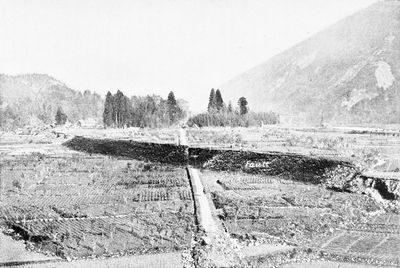
The rupture formed during the Nobi Earthquake in 1891 and produced the largest surface displacement in Japanese history. Horizontal movements reached up to 8 meters (26 feet), while vertical shifts measured around 6 meters (20 feet).
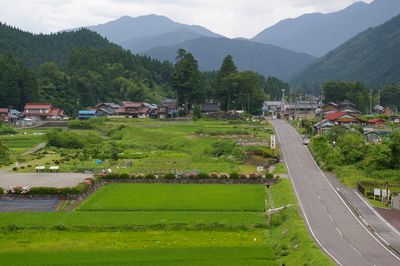
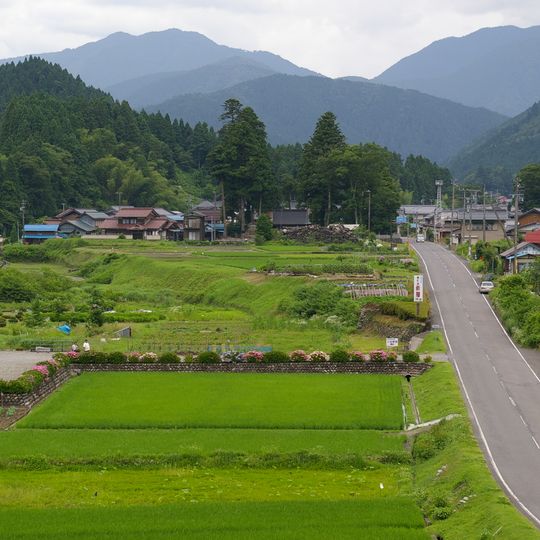
Local residents in the Neodani area call the rupture line "jiware", a term that translates roughly as "ground tear" and reflects how sudden shifts tore the land apart. Walking along the observation trail, you notice how rice paddies and roads still bend and dip where the crust broke more than a century ago.
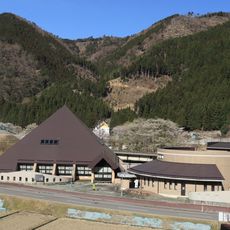
The section near Midori station on the Tarumi Railway line offers direct access to observation points and educational facilities. A center nearby displays models and panels that help understand the geological processes involved.
The visible escarpment in the Midori district is designated as a national natural heritage site and shows how violently the ground can break within seconds. Visitors see at this spot where fields suddenly shifted up or down by several meters.
The community of curious travelers
AroundUs brings together thousands of curated places, local tips, and hidden gems, enriched daily by 91,377 contributors worldwide.