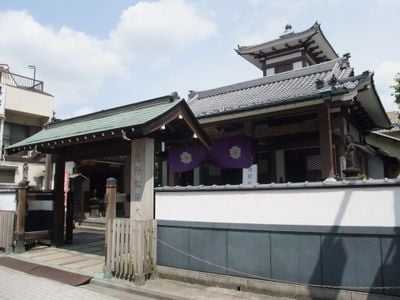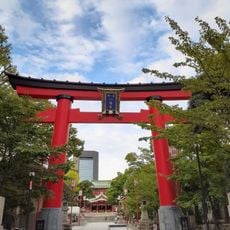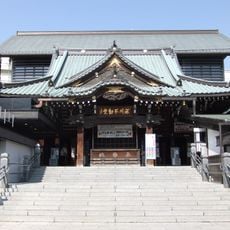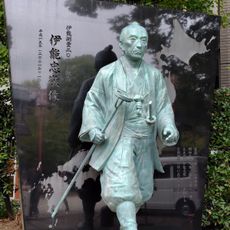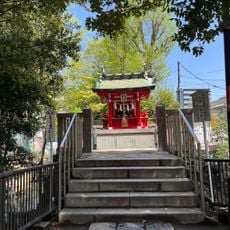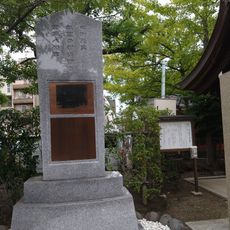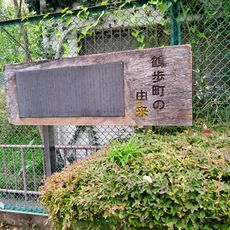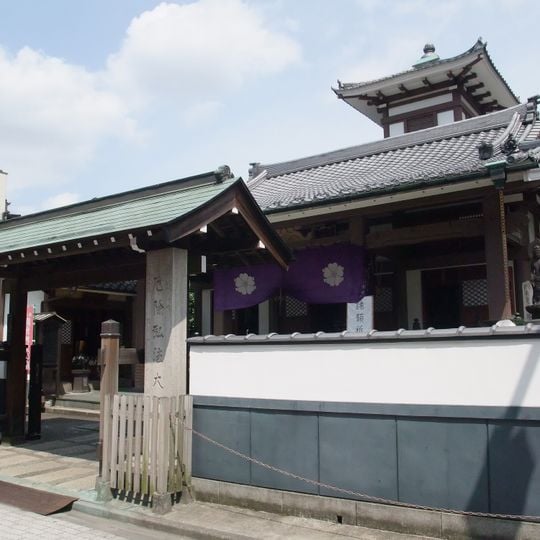
Eitai-ji Temple, Buddhist temple in Koto district, Japan
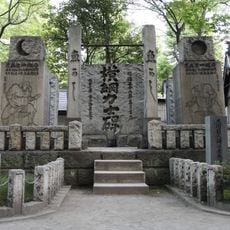
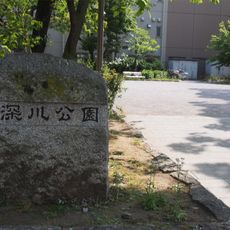
Eitai-ji is a temple of the Kōyasan Shingon school in Tomioka, Kōtō-ku, rebuilt in 1896 when the Kichijō-in subtemple of the former Eitai-ji took over its name. The original Edo-period temple, founded in 1624, was abolished in the early Meiji era after the separation of Shinto and Buddhism, and its grounds became Fukagawa Park and Fukagawa Fudō-dō.
Founded in 1624 by the monk Chōsei on Eitai-jima, Eitai-ji served as the bettō-ji (administrative temple) of Tomioka Hachimangū and was one of the largest temples in the Fukagawa area during the Edo period. It was abolished in the early Meiji era under the separation of Shinto and Buddhism; its grounds became Fukagawa Park and Fukagawa Fudō-dō. The present temple was re-established in 1896 when Kichijō-in, a former sub-temple, took over the name.
The neighbourhood name Monzen-nakacho means "in front of the gate" and refers to the gate of the former Eitai-ji, which stood here until the temple was abolished in the early Meiji era. The present temple is a 1896 revival under the name of its former subtemple Kichijō-in.
The temple is a two-minute walk from exit 1 of Monzen-nakacho Station on the Tokyo Metro Tozai Line, along Fukagawa Ninjo-dori, and five minutes from exit 5 of the same station on the Toei Oedo Line. The present precinct is small, rebuilt in 1896 on the site of the former subtemple Kichijo-in.
The current temple is a 1896 revival: after the original Eitai-ji was abolished in the early Meiji era, its former subtemple Kichijō-in took over the name. The old temple's grounds became Fukagawa Park and Fukagawa Fudō-dō, and the district name Monzen-nakachō refers to its former gate front.
The community of curious travelers
AroundUs brings together thousands of curated places, local tips, and hidden gems, enriched daily by 94,961 contributors worldwide.