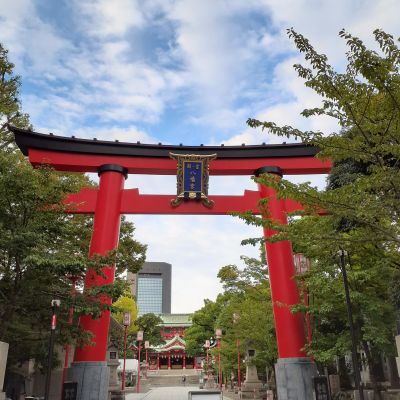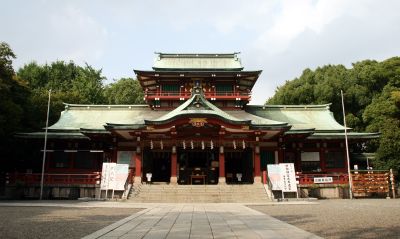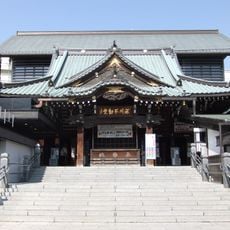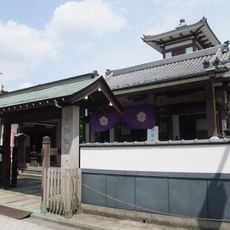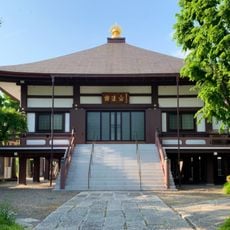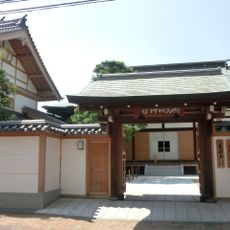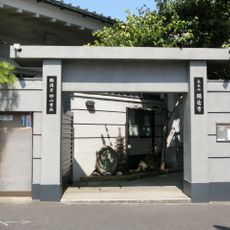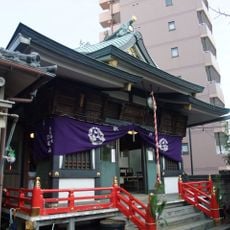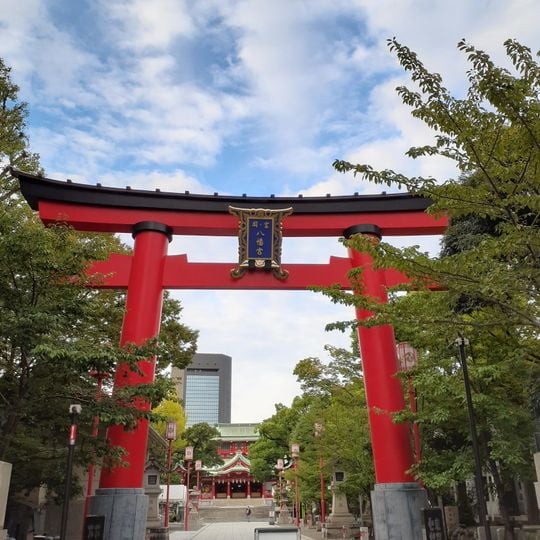
Tomioka Hachiman Shrine, Hachiman shrine in Monzennakacho, Tokyo, Japan.
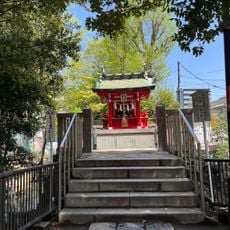
Tomioka Hachiman is a Hachiman shrine in Tomioka, Koto City, Tokyo, Japan, the largest Hachiman shrine in the city. Its main hall, rebuilt in 1956 in reinforced concrete, follows a two-storey quasi-Hachiman style; the grounds hold sub-shrines such as the older Nanawatari Shrine and a hall honouring the poet Matsuo Basho.
The shrine was established in 1627 during land reclamation projects in the Fukagawa area and received support from the Tokugawa shogunate. The connection to the Minamoto clan, from which the Tokugawa claimed descent, secured its importance throughout the Edo period.
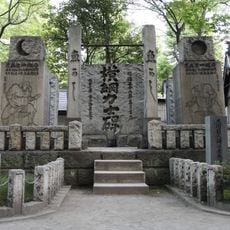
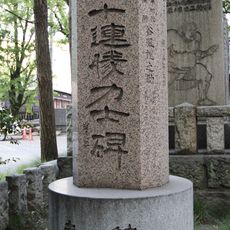
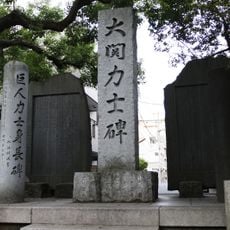
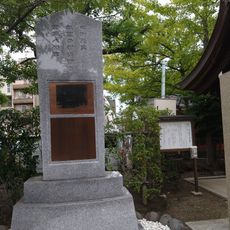
The grounds house the Yokozuna Stone from 1900, engraved with the names of every grand champion in sumo history. Visitors can view this monument that shows the close connection between the shrine and traditional wrestling.
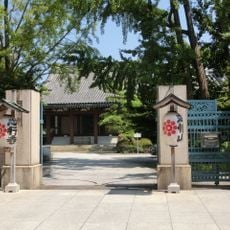
The shrine is a six-minute walk from Monzennakacho Station on the Tokyo Metro Tozai and Toei Oedo lines, two minutes from the Tomioka 1-chome bus stop, and fifteen minutes from JR Keiyo Line's Etchujima Station. The main approach faces the street, with the shrine office and the hall holding the two portable shrines near the entrance. The grounds are flat and step-free.
The shrine's o-mikoshi ichinomiya, donated in 1991, is 1.5 m wide at the base, 2.9 m at the roof and over 4 m tall; with its carrying poles it weighs 4.5 tonnes and has a 7-carat diamond on the phoenix's breast. It has been carried only once because of its weight. A second o-mikoshi, made in 1997, is used in the festival.
The community of curious travelers
AroundUs brings together thousands of curated places, local tips, and hidden gems, enriched daily by 93,272 contributors worldwide.