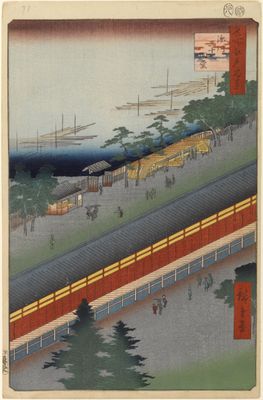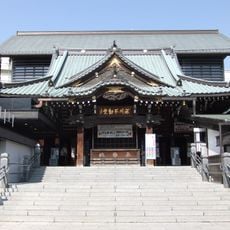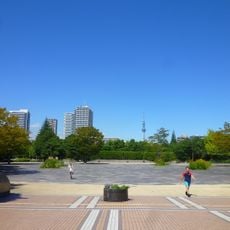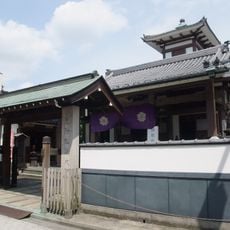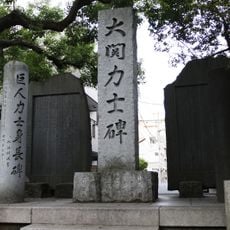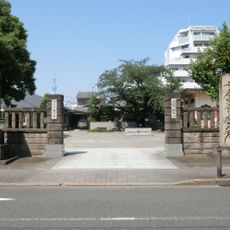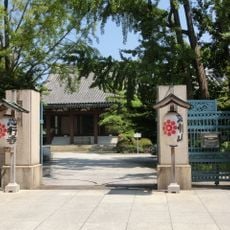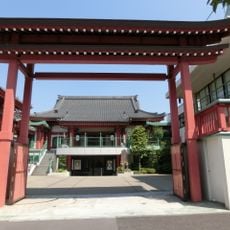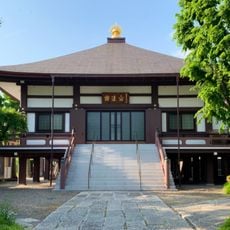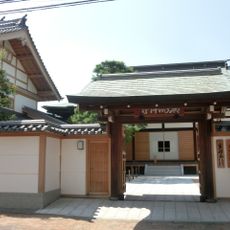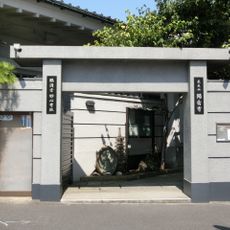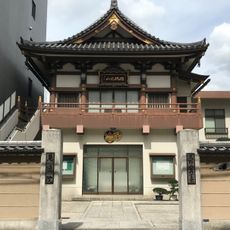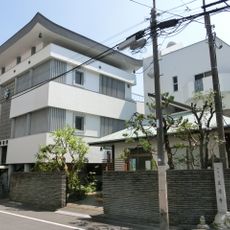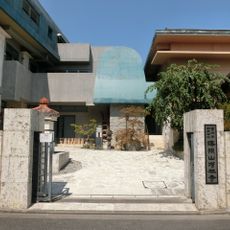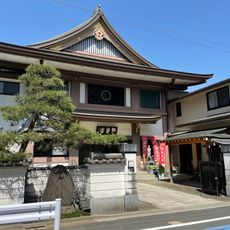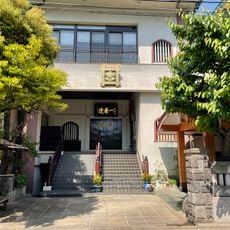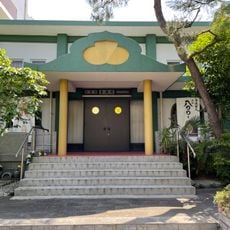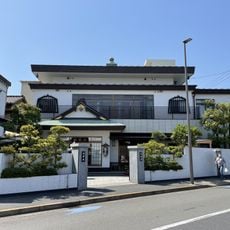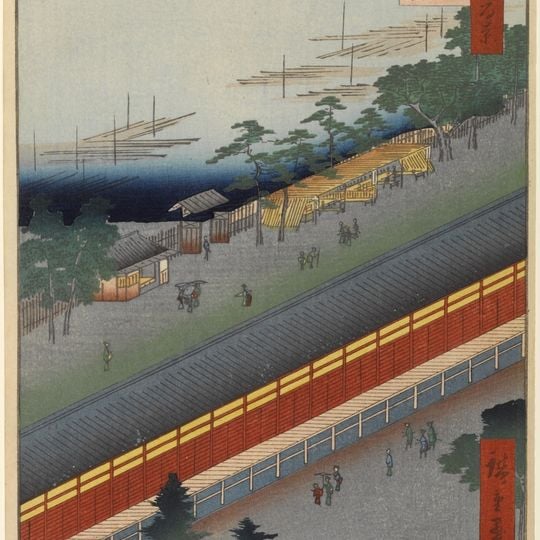
Edo Sanjūsangen-dō, Buddhist temple hall in Fukagawa, Japan.
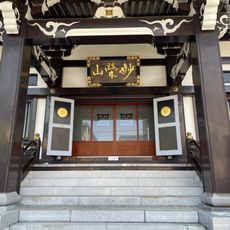
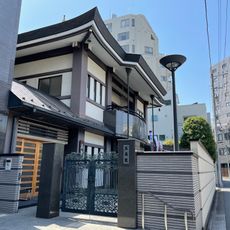
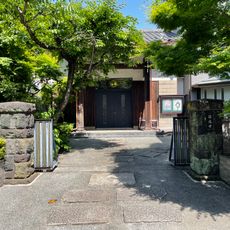
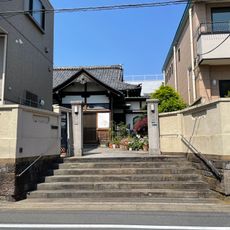
Edo Sanjūsangen-dō is a former Buddhist temple hall in Fukagawa with traditional Japanese architecture. The structure uses interlocking wooden frames without nails and features curved roofs with elevated foundations that allow for natural air circulation.
The hall was built in 1643 during the Tokugawa period and served as a religious center for the community. It demonstrated the architectural skills of an era when Buddhist temples were major monuments of Japanese culture.
The name refers to the thirty statues that once filled the space, each representing different Buddhist figures. Visitors can still sense how these sculptures were arranged and venerated during religious ceremonies held here.
The interior has movable fusuma panels that allow different room arrangements for various ceremonies and events. The nail-free construction makes the building resilient to earthquakes and natural phenomena, ensuring comfortable and safe visits.
The building stands out for how it uses traditional Japanese construction methods to handle natural disasters. The innovative connection techniques were revolutionary in the 17th century and are still studied today as examples of resilient building practices.
The community of curious travelers
AroundUs brings together thousands of curated places, local tips, and hidden gems, enriched daily by 90,798 contributors worldwide.