Hōzen-ji Temple, Buddhist temple in Nanba district, Osaka, Japan
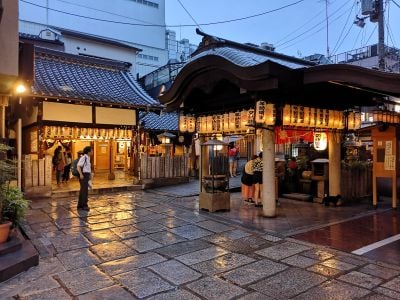
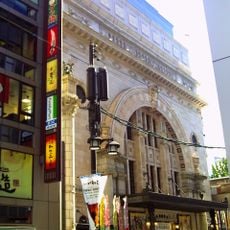
Hōzen-ji is a Buddhist temple in the Namba district of Osaka, nestled between narrow alleys and traditional shops. The grounds include a small courtyard with stone pathways, a main hall, and lanterns that light up the wooden structures in the evening.
The monk Kinun founded Hōzen-ji in Yamashiro Province, and in 1637 Chōyo Sennen moved it to its present site in Nanba. Fires destroyed it in 1828 and 1852, and each time it was rebuilt, by Chōyo and then by Kenyo in 1855. The first great Osaka air raid of 13–14 March 1945 burned everything except the Mizukake Fudō statue.
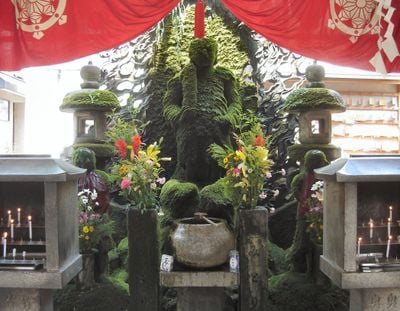
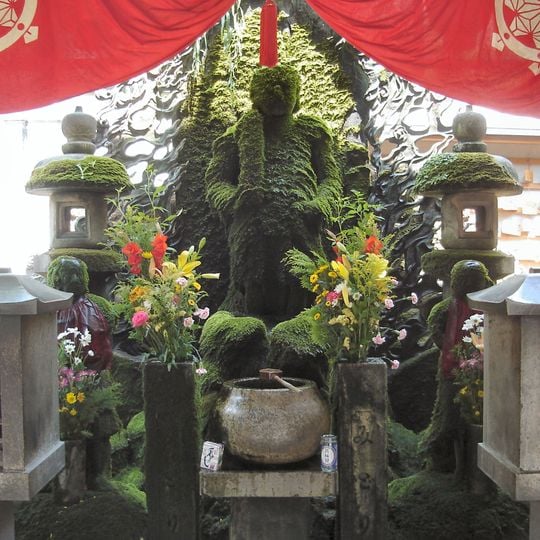
The Fudo Myo-o statue is entirely covered in moss that has grown over the years from water poured by visitors. This gesture is believed to grant wishes and is repeated daily by people from all over the city.
The temple sits one minute on foot from Namba Station and remains open to visitors every day, even when no ceremony is taking place. Buddhist rituals occur on the 28th day of each month, and visitors can attend these gatherings.
The temple's name for its famous statue, Mizukake Fudō, comes from the practice of pouring water over it; the moss covering the figure grew from this repeated watering. The temple is also called Sen'nichi-ji after the thousand-day nenbutsu recitation once held there, and the district name Sennichimae derives from the temple's gatefront.
The community of curious travelers
AroundUs brings together thousands of curated places, local tips, and hidden gems, enriched daily by 93,400 contributors worldwide.