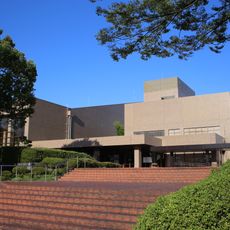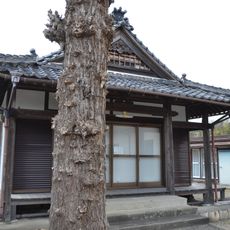
Robata Ruins, Archaeological site in central Japan
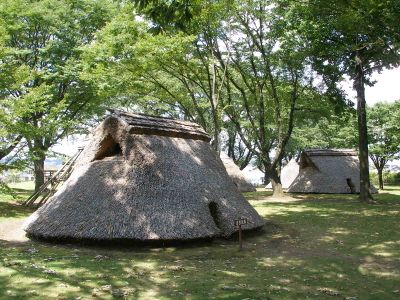
Robata Ruins is an archaeological site in central Japan with multiple layers of settlements stretching across many centuries. The excavated grounds reveal traces of different periods of human habitation with preserved structures and artifacts.
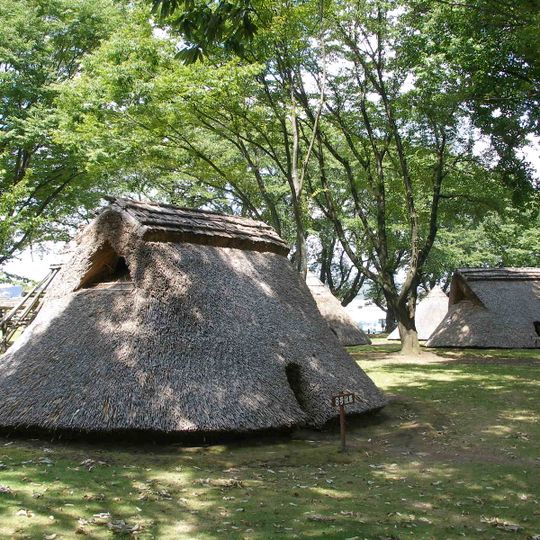
The site was found in 1966 during land improvement works on the Kakamigahara plateau. Six excavations since then have uncovered more than ten pit dwellings, a storehouse seen as a prototype of the raised-floor granary, stone-lined hearths, Jomon pottery, stone tools and coffins. In 1974 the ruins were designated a Gifu Prefecture historic site and the finds an important cultural property.
The site displays pottery and tools that reveal how ancient people lived and worked together in this community. Visitors can observe the objects that inhabitants used and how they organized their daily lives.
Robata Ruins Park is open from 8:30 a.m. to 5:00 p.m. and closes from December 28 to January 3; admission is free. The first car park holds 17 cars and 3 large buses, the second 34 cars. From Meitetsu Nijukken Station or the Megumi-no-Yu bus stop it is about a 15-minute walk, and about 25 minutes from JR Kakamigahara Station.
Ongoing research at the site continues to uncover fresh insights about how prehistoric people managed their resources and lived together. These discoveries show the sophistication of their self-sufficiency and community structures.
The community of curious travelers
AroundUs brings together thousands of curated places, local tips, and hidden gems, enriched daily by 93,746 contributors worldwide.