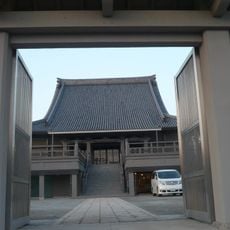
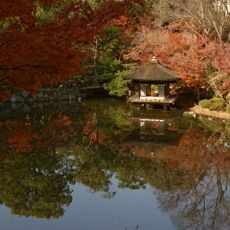
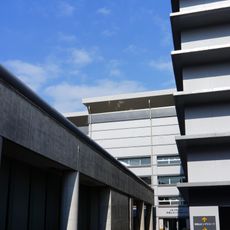
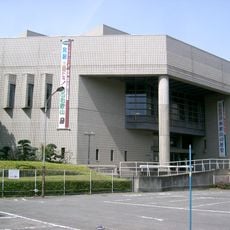
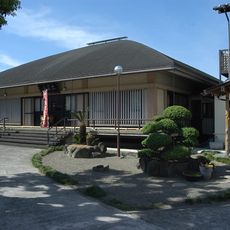
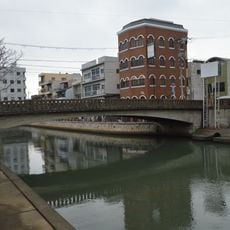
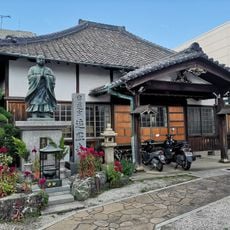
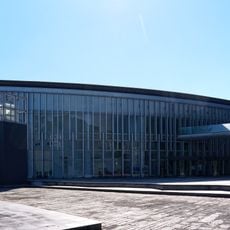
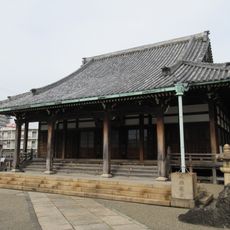
Muryōkō-ji, Buddhist temple in Wakayama, Japan.
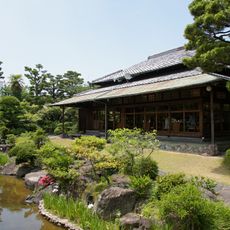
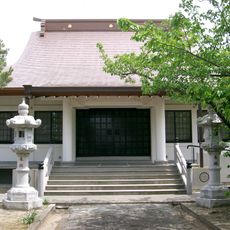
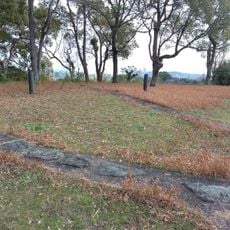
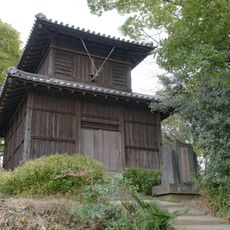
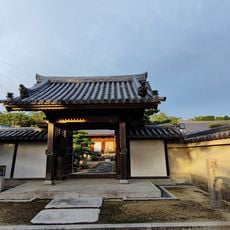
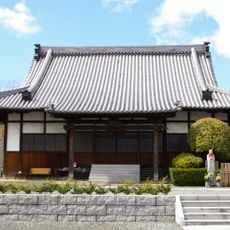
Muryōkō-ji is a Buddhist temple in Wakayama prefecture featuring traditional Japanese wooden architecture with ornamental details throughout its structures. The main hall and surrounding buildings display the religious architectural style typical of temples built during this period.
Muryōkō-ji was founded in 1829 on the orders of Tokugawa Harutomi, tenth lord of the Kishū domain, with the ascetic Tokuhon as founding abbot and Honben as founder; it was modelled on Hōnen-in in Kyoto. Harutomi designated it a nenbutsu practice hall and supported its construction. A fire destroyed the entire temple in 1881, and it was rebuilt on a smaller scale.
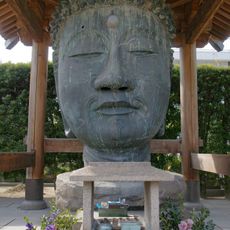
Muryōkō-ji is the eighth stop on the Wakayama Saikoku Thirty-Three Kannon Pilgrimage, not the larger Kansai circuit. Its main image is Amida Nyorai, and the temple keeps a large calligraphy of the name Amida written by the ascetic Tokuhon. The temple is also known as the temple of the head Buddha.
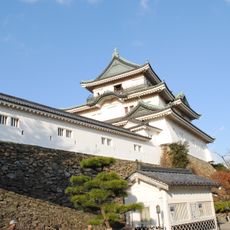
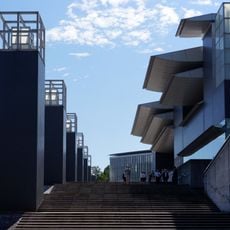
The temple grounds are open from 7:00 to 16:30. To get there, take a Wakayama bus from JR Wakayama Station (stop 2) or Nankai Wakayamashi Station (stop 2) and get off at Komatsubara Gochome, then walk about 10 minutes. The grounds lie in the Teramachi temple district, near Wakayama Castle and the prefectural museum.
The temple is known as the "Neck Buddha temple": the 3-metre head of a Rushana Buddha, consecrated at the subsidiary Daifuku-ji in 1840, was moved here in 1908 when that temple closed. It is said to grant wishes concerning the head and above, drawing many exam candidates.
The community of curious travelers
AroundUs brings together thousands of curated places, local tips, and hidden gems, enriched daily by 93,673 contributors worldwide.