祇園寺, Buddhist temple in Takahashi, Japan
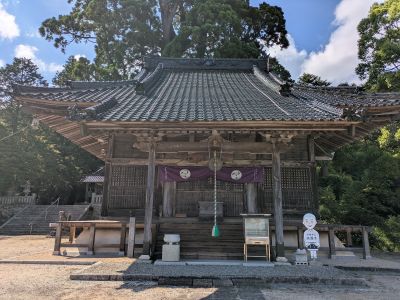
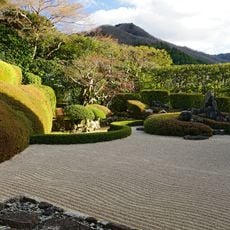
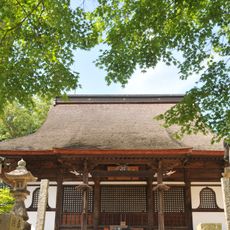
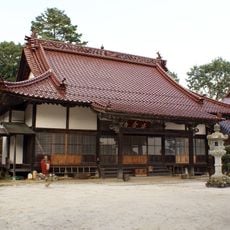
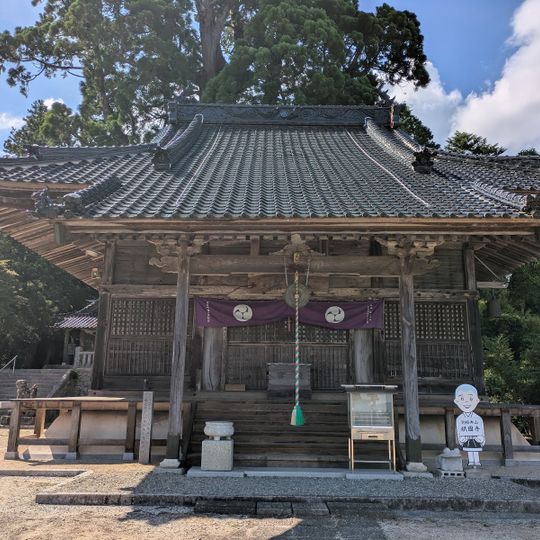
Gion-ji is a Buddhist temple in Takahashi featuring traditional Japanese architectural elements with a moss-covered garden and bamboo groves surrounding the main structures. The grounds contain multiple buildings and green spaces arranged to create a peaceful setting.
Gion-ji is a Shingon temple of the Zentsūji branch, founded on the summit of Mount Gion (550 m) and attributed to Kūkai in 812. Its buildings burned in the Kenmu era (1334–1336); the present main hall was rebuilt in 1678. The 1791 Bitchū record lists it as a middle-rank temple under Ninna-ji with only one branch temple, Seikō-ji. A 1884 fire destroyed the reception hall and kitchen, along with most records.
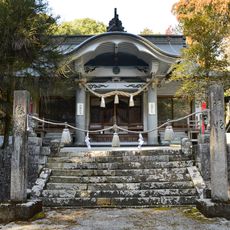
The temple's name comes from its Gion Shrine, which enshrines Gozu Tennō as the temple's guardian and was rebuilt by Mizutani Katsutaka in 1645. Near the shrine stands a 32-metre cedar, said to have been planted by Kūkai, whose eight branches split 5–6 metres above ground. The Gion Odori dance, performed at the summer festival on 27 August, is said to have 300 years of history.
The temple stands on the summit of Mount Gion at an elevation of 550 metres, reached on foot; allow time for the climb. The grounds hold the main hall, the Gion Shrine, a 13-storey stone pagoda and the great cedar, so plan to walk between them. The summer festival with the Gion dance is held on 27 August.
The cedar known as Gion no Tengu Sugi stands by the Ushi-Tenno shrine, 32 metres tall with a 12-metre root circumference. Legend says Kobo Daishi planted it, and it is named for a tengu once seen in its branches. Its bark was said to stop toothache when chewed.
The community of curious travelers
AroundUs brings together thousands of curated places, local tips, and hidden gems, enriched daily by 93,850 contributors worldwide.