Jimmu-ji Temple, Buddhist temple in Zushi, Japan
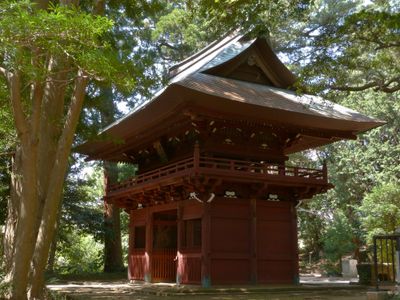
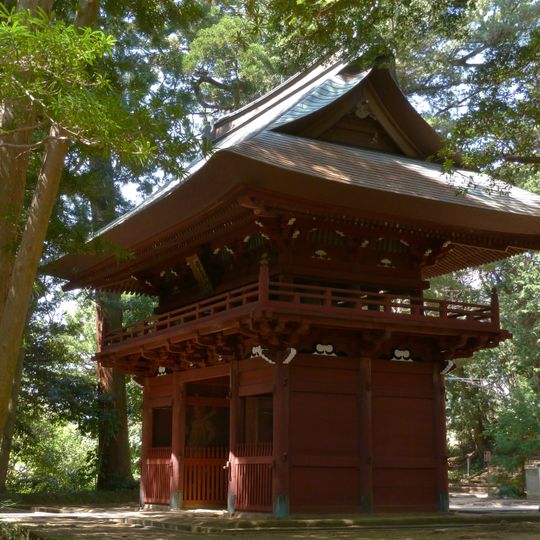
Jimmuji is a Buddhist temple complex positioned along a verdant hiking trail next to a stream, defined by traditional Japanese architecture including a bell tower and several worship halls. The site integrates built structures with surrounding nature and serves as a starting point for extended walks in the region.
According to temple tradition, the monk Gyōki founded Jimmu-ji in 724 on the orders of Emperor Shōmu, and Ennin restored it during the Heian period, though these claims are not certain. The Azuma Kagami records that on the fifteenth day of the fifth month of 1209, Minamoto no Sanetomo visited "Kami-take" and the Iwadono Kannon hall, the former being Jimmu-ji.
The temple belongs to the Tendai school and is formally called Iōzan Raigōin Jimmuji. Its main image, a hidden Yakushi triad in the Yakushidō hall, is shown publicly only once every 33 years, but the doors are also opened on the morning of 13 December, the annual cleaning day. The temple is one of the Zushi Hakkei, and it appears in the lyrics of the Zushi city song alongside Mt. Takatori and the Tagoe River.
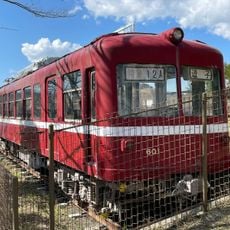
The temple is reached on foot: about 30 minutes from Jimmuji Station on the Keikyu Zushi Line, about 30 minutes from Higashi-Zushi Station on the JR Yokosuka Line, or about 30 minutes from Mount Takatori. The grounds sit in forest among tuff rock, so wear sturdy shoes for the trails.
The temple's sacred statue is not a carved cliff Buddha but the hidden Yakushi Sanzon of the main hall, shown only once every 33 years; on the morning of 13 December, the day of soot-clearing, the doors are opened for a viewing.
The community of curious travelers
AroundUs brings together thousands of curated places, local tips, and hidden gems, enriched daily by 94,350 contributors worldwide.