Hekishō-ji Museum, Historical museum in Nishiwaga, Japan.
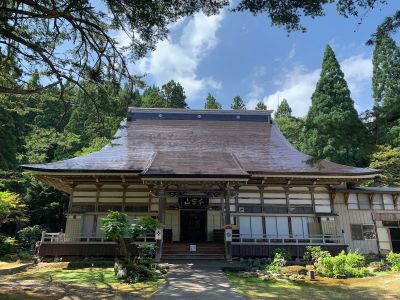
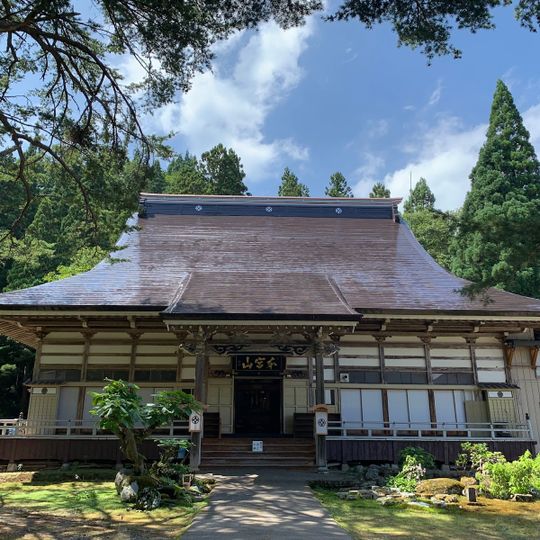
The Hekishō-ji Museum consists of five exhibition buildings on the grounds of Hekishō-ji, a temple of the Ōtani-ha branch of Shin Buddhism. Its collection of over 10,000 folk objects includes a dugout canoe hollowed from cedar, Matagi hunting gear, and tools for extracting starch from bracken roots and horse chestnuts. The second building occupies the temple's former kitchen quarters.
The museum was established in 1969 on the grounds of the 350-year-old Hekisho-ji temple and preserves cultural items from the Iwate region. The collection documents how the population adapted to harsh winter conditions over centuries.
The Matagi hunting gear numbers 486 pieces, gathered mainly in Akita and Iwate prefectures and designated an Important Tangible Folk Cultural Property in 1978. The collection includes wara-da snowshoes, spears, and kuma-toribasami bear traps. The museum also holds a dugout canoe hollowed from cedar, the only surviving river canoe of its kind in Japan, designated in 1964.
The museum is open from 9:00 to 17:00 and closes every Tuesday; it also shuts for the winter from 29 December to 31 March. From JR Hottoyuda Station on the Kitakami Line, take the town bus to Ota and walk about two minutes. Admission is 500 yen for adults, 300 yen for university and high school students, and 200 yen for elementary and junior high students.
The museum holds around 10,000 ethnographic objects, one of the largest collections on winter survival techniques in this region. This breadth of collection allows visitors to see a full picture of how people here lived with extreme snowfall.
The community of curious travelers
AroundUs brings together thousands of curated places, local tips, and hidden gems, enriched daily by 94,918 contributors worldwide.