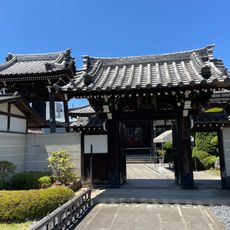
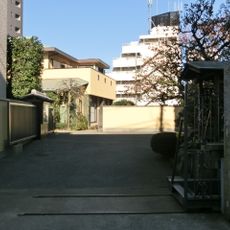
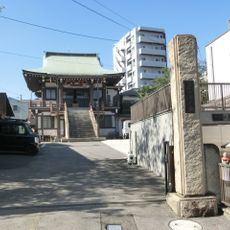
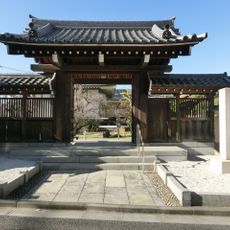
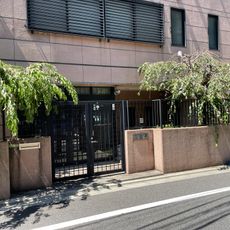
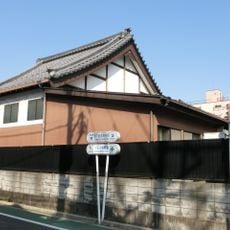
Hikawa-jinja, Shinto shrine in Bunkyo, Tokyo, Japan
Hikawa-jinja is a Shinto shrine in Sengoku, Bunkyo, Tokyo, founded in 473 according to tradition and moved to its present site during the Shōō era (1652–1655). It enshrines Susanoo-no-Mikoto, Ōnamuchi-no-Mikoto and Inada-hime-no-Mikoto, and its name is written with the rare character 簸 rather than the usual 氷.
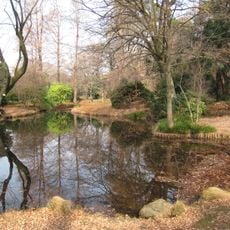
Tradition dates the shrine's founding to 473, the third year of Emperor Kōshō, and Minamoto no Yoshiie is said to have prayed here. It originally stood southeast of the present site, in the spring-fed area now inside the Koishikawa Botanical Garden, and was moved here in the Shōō era (1652–1655) when the Koishikawa Hakusan palace was built. Known in the Edo period as Hikawa Daimyōjin, counted among the Edo Seven Hikawa shrines, it was renamed Hikawa Shrine in the Meiji era and took the rare characters 簸川 in the Taishō era. The main hall and shrine office burned in the Tokyo air raids and were rebuilt in 1958.
The shrine takes its name from Hikawa in Izumo, written with the rare character 簸; it was renamed from Hikawa to Hikawa in the Taisho era on the theory that the name derives from that province. It served as the tutelary shrine of the old Koishikawa village, and its annual observances are tied to that parish role.
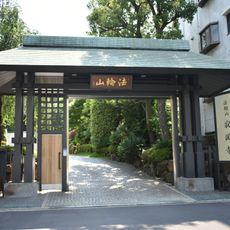
The grounds are easy to reach on foot and separated from the surrounding streets by a tree-lined path. On most days the site is calm, but expect larger crowds around the New Year period when many people come to pray.
The shrine's name is written with the rare character 簸 rather than the usual 氷. It was changed from Hikawa to Hikawa in the Taisho era, when a theory traced the name to Hikawa in Izumo Province. The shrine is a branch shrine of a Hikawa shrine, and its grounds once stood at a water source now inside the Koishikawa Botanical Garden.
The community of curious travelers
AroundUs brings together thousands of curated places, local tips, and hidden gems, enriched daily by 93,470 contributors worldwide.