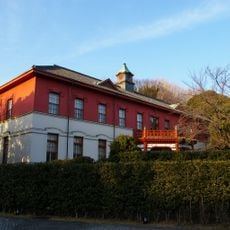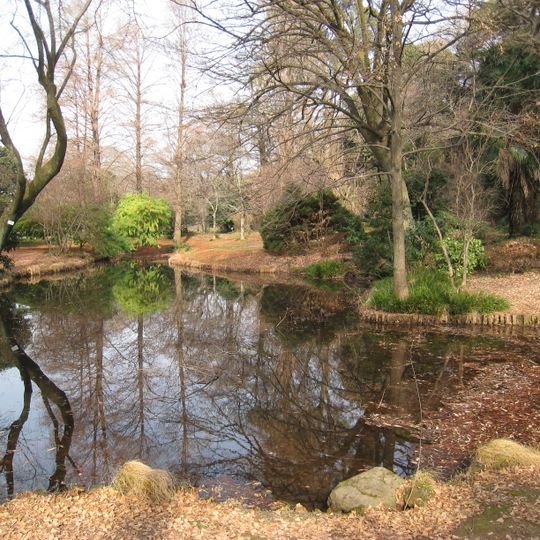
Koishikawa Botanical Garden, Botanical garden and historic site in Bunkyo, Japan
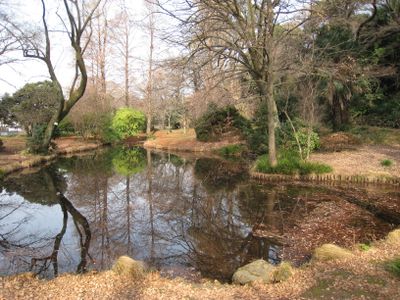
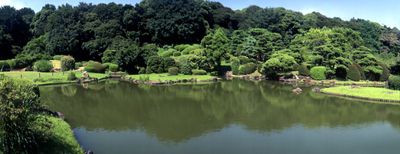
Koishikawa Botanical Garden is a 16-hectare space in Tokyo with a central pond and winding paths connecting different planted sections. The collection contains around 4,000 plant species, including camellias, cherry trees, and Japanese maples, arranged by botanical family and origin.
The garden was established in 1684 as a medicinal herb research site connected to the villa of Shogun Tokugawa Tsunayoshi during the Tokugawa period. Over subsequent centuries, it evolved into a comprehensive botanical collection serving scientific purposes.
The garden takes its name from the Koishikawa district and functions as a living research collection for Tokyo University. Visitors can observe how plant specimens are organized by family and purpose, reflecting Japan's long tradition of studying nature systematically.
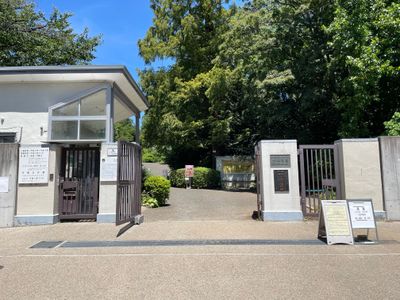
The garden is accessible near Myogadani and Hakusan train stations, making it easy to reach by public transit. Weekday visits tend to be quieter, allowing more time to explore the different plant sections at a comfortable pace.
The garden houses an extensive herbarium with around 1.4 million dried plant specimens and maintains a collection of 20,000 botanical publications. These archives make it a working research center that scholars continue to use for their scientific work.
The community of curious travelers
AroundUs brings together thousands of curated places, local tips, and hidden gems, enriched daily by 91,629 contributors worldwide.