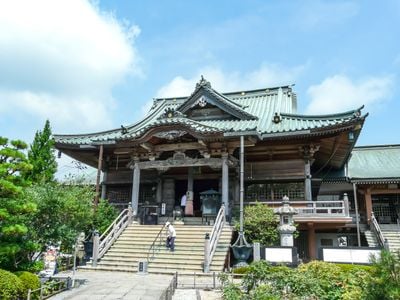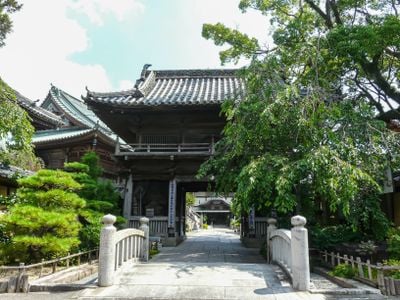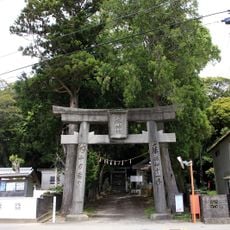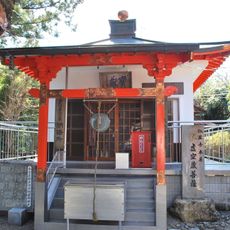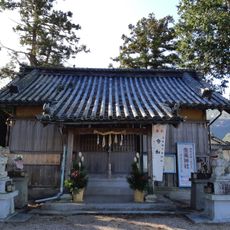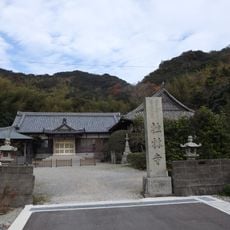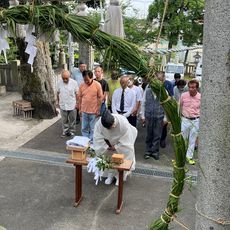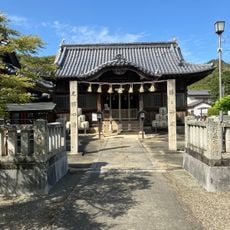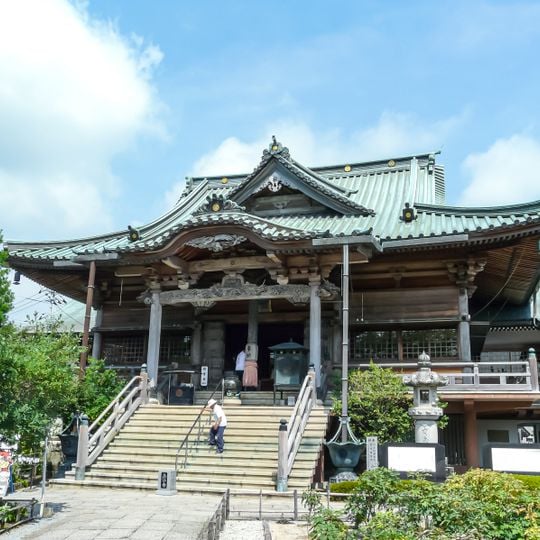
Tatsue-ji Temple, Buddhist pilgrimage temple in Komatsushima, Japan
Tatsue-ji is the 19th temple on the Shikoku pilgrimage route, a circuit of 88 Buddhist temples spread across Shikoku island in Japan. Its main hall houses a statue of Jizo Bosatsu, a figure associated with the protection of travelers and children.
The temple is attributed to Emperor Shomu, who is said to have established it to ensure the safe birth of Empress Komyo. It was later destroyed by Chosokabe Motochika during the Tensho period and then rebuilt.
Tatsue-ji is called the "gateway of Shikoku" because pilgrims traditionally stopped here before crossing into the next province. The temple's name is chanted in a goeika hymn about boarding the "ship of the vow" for the western paradise. A white flower called rikyū-bai blooms around the anniversary of tea master Sen no Rikyū's death, and peonies flower across the grounds in April.
The temple is located in the urban area of Komatsushima and can be reached on foot or by bicycle. Those following the full pilgrimage route should wear comfortable shoes and allow extra time to move through the grounds.
Shirasagi-bashi spans the Tatsue River about 300 m from the temple, on the approach from Tatsue Station. According to the local belief recorded in the temple's own account, anyone who crosses the bridge without seeing a white heron is a good man or good woman; the bridge also gives its name to the road junction used by drivers coming from the Tokushima prefectoral roads.
The community of curious travelers
AroundUs brings together thousands of curated places, local tips, and hidden gems, enriched daily by 93,471 contributors worldwide.