Shinozaki Sengen-jinja, Shinto shrine in Edogawa-ku, Tokyo, Japan
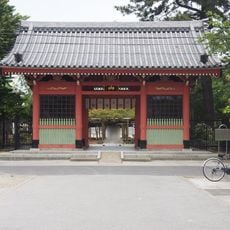
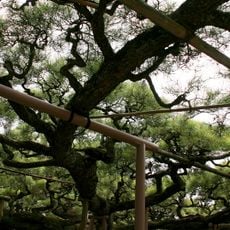
Shinozaki Sengen-jinja is a Shinto shrine in Kamishinozaki, Edogawa-ku, Tokyo, founded in 938 and the oldest shrine in the ward. Its grounds hold the main hall and thirteen subsidiary shrines, including Shimoa Sengen, Kirishima, Katori, Tenmangu and Inari, plus a grove designated a ward natural monument in 1982.
The shrine traces its founding to 938, when Taira no Sadamori prayed here for the defeat of Taira no Masakado and dedicated a Kirishima shrine with gold coins and a bow and arrow. It is the oldest shrine in Edogawa Ward. In the Meiji era it was the only shrine in the ward designated a gōsha, and its Fuji-kō stele was registered as a tangible cultural property in 1981.
The shrine's best-known tradition is the Nobori Matsuri, when ten banners each weighing over a tonne are raised; in 1981 it was designated an intangible folk cultural property of Edogawa Ward. The shrine also keeps a Fuji-kō stele, registered as a tangible cultural property in 1981, evidence of Edo-period mountain-worship groups.
The shrine is about 13 minutes on foot from Shinozaki Station and is easily accessible by public transport. Visitors should speak softly, remove shoes where required, and photograph respectfully in sacred areas.
The shrine keeps a protective sword of Emperor Murakami (reigned 946–967) and linked-verse poetry by Emperor Go-Hanazono (reigned 1428–1464), evidence of imperial patronage since the Heian and Kamakura periods. In the Meiji era it was the only shrine in Edogawa-ku ranked as a gōsha, a district shrine.
The community of curious travelers
AroundUs brings together thousands of curated places, local tips, and hidden gems, enriched daily by 94,766 contributors worldwide.