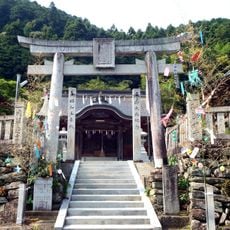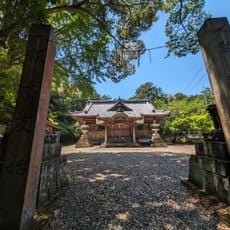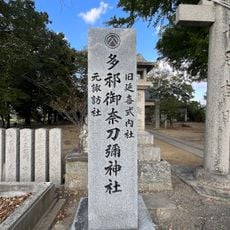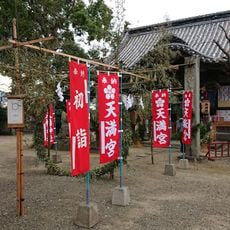
Fujii-dera Temple, Buddhist temple in Kamojima-cho, Yoshinogawa, Japan
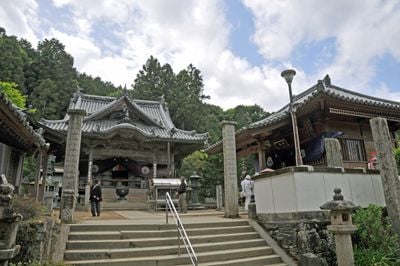
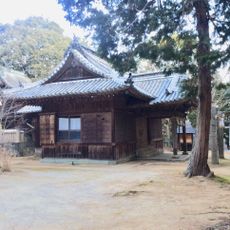
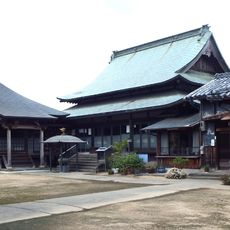
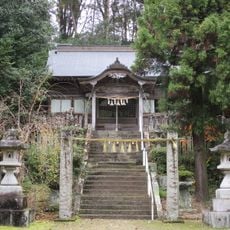
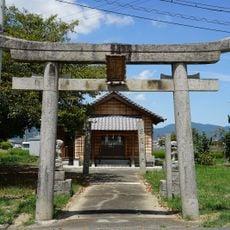
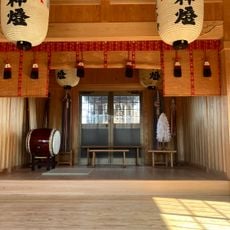
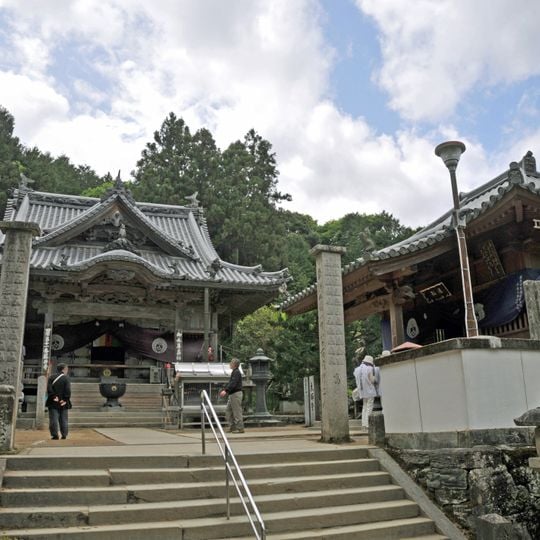
Fujii-dera is a Buddhist temple in Yoshinogawa, Japan, and serves as the eleventh station on the Shikoku Pilgrimage route. The grounds contain several ceremonial halls built in the traditional style typical of sacred sites along this route.
According to tradition, Kūkai founded the temple in 815 after carving a Yakushi Nyorai image and performing a seven-day ritual at the Hachijō-iwa rock. The temple burned during the Tenshō era (1573–1592) and was rebuilt as a Rinzai temple in 1674. A fire in 1832 destroyed all but the main image; the current buildings date from 1860. The main statue, a wooden Shaka Nyorai seated figure dated by inscription to 1148, is a nationally designated Important Cultural Property.
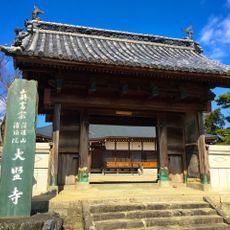
Fujii-dera is the only temple on the Shikoku Pilgrimage whose name ends in "tera" rather than "ji"; the red seal stamped in pilgrims' books reads Fujii Zenji, the temple's formal name. Kūkai is said to have planted a wisteria before the hall, giving the temple its name, and a wisteria trellis said to grow from his own planting stands right of the gate, with the bell tower behind it.
Kamojima Station on the JR Tokushima Line is 2.8 km from the temple, and Nishi-Oe Station is 3.0 km away; the Tokushima Bus Kamojima line stops at Jōgeshima, 2.1 km from the temple. By road, the temple is 1.3 km from the Iio-Shikiji point on Tokushima Prefectural Route 240 and 7.9 km from the Dōsei Interchange on the Tokushima Expressway. A private paid car park is in front of the temple gate.
The temple's name is read Fujii-dera, with "tera" rather than "ji" — the only one of the 88 Shikoku pilgrimage temples read that way. Its red seal stamp uses the formal name Fujii Zenji. The honzon is a hidden sculpture kept in a storehouse behind the main hall and normally not shown.
The community of curious travelers
AroundUs brings together thousands of curated places, local tips, and hidden gems, enriched daily by 93,456 contributors worldwide.