Suwa-jinja, Shinto shrine in Japan
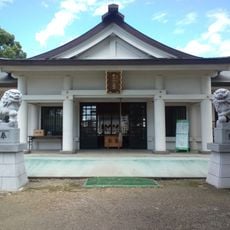
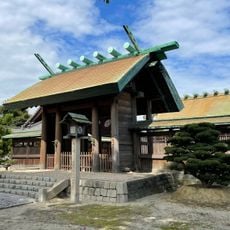
Suwa-jinja is a small Shinto shrine in Yokkaichi with a traditional East Asian hip-and-gable roof that slopes gently on both sides. The wooden construction is simple but well-maintained, featuring natural tones, a Torii gate marking the entrance, and a small altar inside where visitors leave offerings.
Tradition dates the shrine's founding to 1202, when the kami of Suwa Taisha were invited here, but the shrine's own Meiji-era records instead name Tahara Mimasaka-no-kami Tadahide, builder of Hamada Castle in 1470, as the founder. The 1202 claim, printed in the 1797 Tokaido Meisho Zue, is doubted because Kato Kagekane had lost his rank by 1200. A founding around 1470 is now favoured.
Locals call the shrine "Osuwa-san" and honour it as Yokkaichi's tutelary deity. Its festival, Yokkaichi Matsuri, dates from before 1679 and features nerimono processions of floats and dances from each parish; the whale-boat float of Minaminaya-chō and the Ōnyūdō float of Nakanaya-chō survived the 1945 air raids and are prefectural tangible folk cultural properties. The shrine's Suwa taiko drumming, revived in 1960 after a troupe from Suwa, Nagano, performed in Yokkaichi, is offered during the festival.
The shrine stands along the old Tōkaidō, now National Route 1, at Suwa-Sakaechō 22-38. It is about a 6-minute walk from Kintetsu Yokkaichi Station on the Nagoya and Yunoyama lines, or about 15 minutes from JR Yokkaichi Station on the Kansai Main Line. The grounds cover 1,180 tsubo and also hold a city park, a community hall and parking.
The shrine's drum troupe, Yokkaichi Suwa-daiko, traces its origin to 1960, when local merchants saw the Ono Suwa-daiko ensemble at a trade fair in Suwa, Nagano, and invited its master, Oguchi Daihachi, to teach them. The group now performs as one of the offerings at the October Yokkaichi Festival.
The community of curious travelers
AroundUs brings together thousands of curated places, local tips, and hidden gems, enriched daily by 94,313 contributors worldwide.