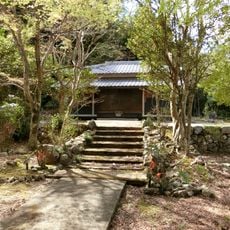
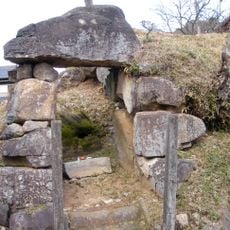
Nagatsuka Kofun, Keyhole-shaped burial mound in Nakaedo, Kani, Japan
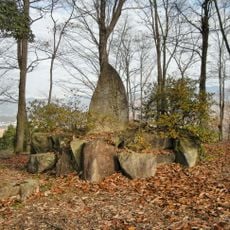
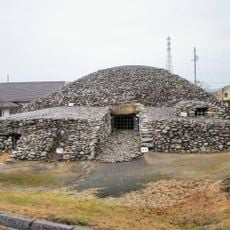
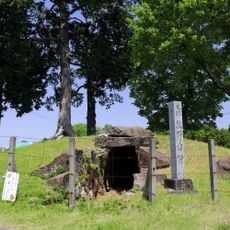
The Nagatsuka Kofun is a two-tiered keyhole-shaped mound (zenpō-kōen-fun) in the Nakaedo neighborhood of Kani, with a square front and a circular rear. It measures 81 meters long: the rear circle is 46 meters across and 8.3 meters high, the front rectangle 25 meters wide and 5.9 meters high. It sits on a river terrace 10 meters above sea level between the Kiso and Kanogawa rivers.
This burial mound dates to the 4th century, representing ancient Japan's burial traditions from that period. Excavations carried out from 1982 to 1997 revealed bronze mirrors, glass spheres, and pottery fragments that confirmed the age and significance of the site.
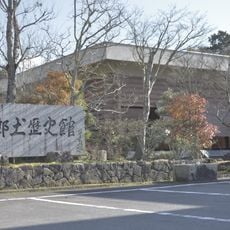
The Nagatsuka Kofun is a zenpō-kōen-fun, a keyhole-shaped mound with a square front and round rear seen from above. It is the largest of the Maenami cluster of 15 tumuli in the area, and its scale points to the standing of the person buried within. Excavated relics such as bronze mirrors and Sue ware are kept at the Kani Local History Museum.
This site sits about a 10-minute walk from Kani Station, making it fairly easy to reach by foot. The mound is located in a quiet area between two rivers, where you can explore the ancient monument surrounded by the natural landscape.
The moat, about five meters wide, ran along the south and east sides of the mound; no fukiishi stones or haniwa clay figures were found on the tumulus. The mound is the largest of the Maenami cluster of 15 tumuli in the area.
The community of curious travelers
AroundUs brings together thousands of curated places, local tips, and hidden gems, enriched daily by 93,599 contributors worldwide.