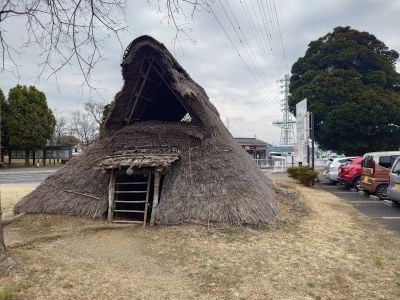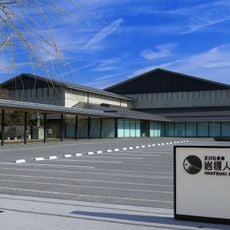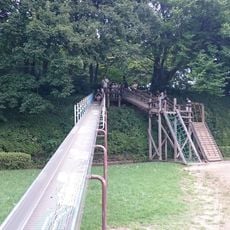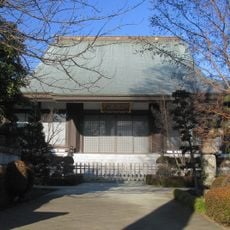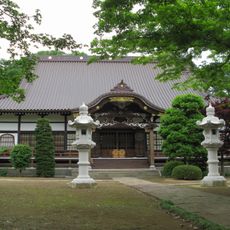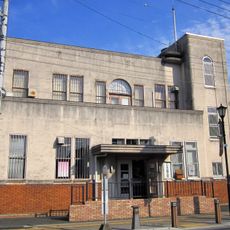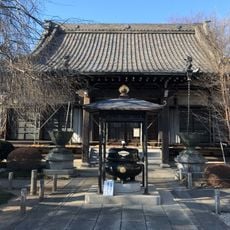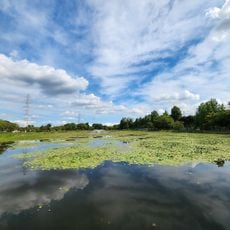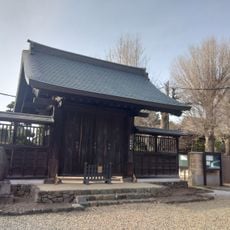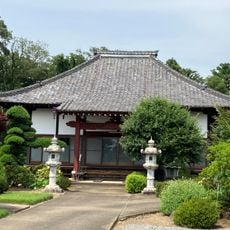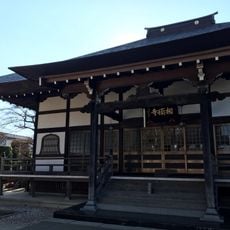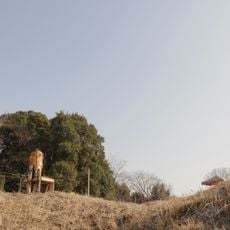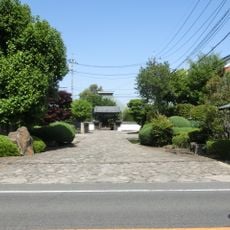
Kurohama Shell Mound, Prehistoric midden in Hasuda, Japan.
Kurohama Shell Mound is a Jomon-period archaeological site containing multiple layers of discarded shells, pottery fragments, and stone tools from thousands of years of habitation. These accumulated layers preserve evidence of how people lived and what they ate during this ancient era.
The site dates to 4000 to 2500 BC during the Jomon period, when sea levels were higher and the area formed a coastal peninsula. This geography made it an ideal location for communities that relied on the sea.
The site is known for Kurohama-style pottery, a type of Jomon earthenware that spread throughout the Kanto region. Visitors can see how early inhabitants shaped and used their vessels for daily life.
The site is located on the Omiya Plateau and is easily reached from the Hasuda City Hall bus stop with a short walk. The ground is slightly elevated, so visitors should be prepared for gentle slopes and uneven terrain.
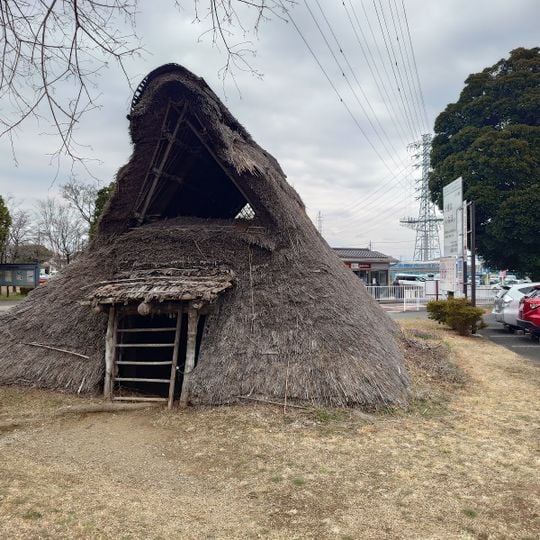
The settlement featured 51 pit dwellings arranged around a central plaza, revealing how the community was organized and functioned. This layout tells us much about the social structure and daily interactions of these ancient people.
The community of curious travelers
AroundUs brings together thousands of curated places, local tips, and hidden gems, enriched daily by 60,000 contributors worldwide.