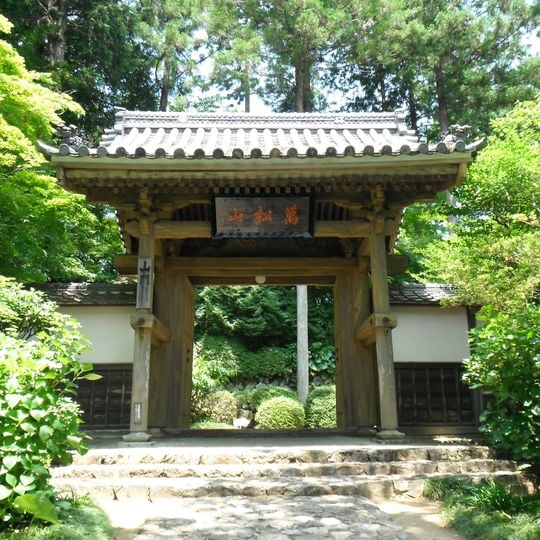
Ryōtan-ji Temple, Buddhist temple in Hamana-ku, Hamamatsu, Japan
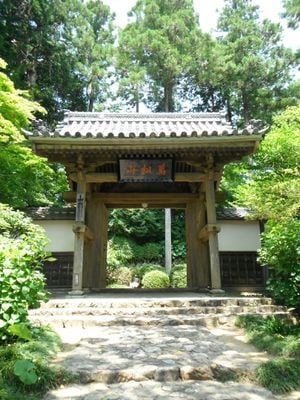
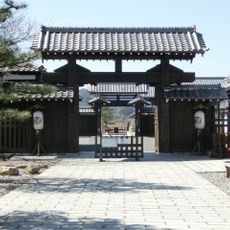
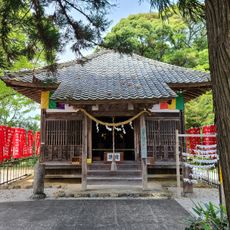
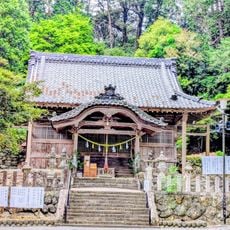
Ryōtan-ji is a Rinzai Zen temple of the Myōshin-ji branch in Hamana-ku, Hamamatsu, with a wooden gate on a low stone base, dark-brown pillars and a tiled roof. Its main hall faces a pond-and-rock garden on the north side, attributed to Kobori Enshū and designated a National Place of Scenic Beauty in 1954.
According to temple tradition, Gyōki founded it in 733 as Jizō-ji; it was renamed Jijō-ji in 1093 when Ii Tomoyasu was buried there, and became the Ii clan's bodaiji. It took the name Ryōtan-ji in 1507 under Ii Naohira, and was burned by the Takeda clan in 1570, then rebuilt in the Edo period.
The temple holds the graves of Ii Naomori, who died at Okehazama in 1560, and of Ii Naochika and Ii Naotora, whose graves stand side by side. Its three-volume Song-dynasty encyclopedia, printed in 1188 and once owned by Oda Nobunaga, was designated an Important Cultural Property in 1978.
The temple and its garden are not open to the general public. Access is by Entetsu bus line 45 (Okuyama line) to the Jingūji stop, about a 10-minute walk, roughly one hour from Hamamatsu Station; the Hamamatsu city bus to the Ryōtan-ji stop is a 5-minute walk. By car it is about 20 minutes from Hamamatsu-nishi IC.
The temple keeps a set of three volumes of the Song-dynasty encyclopedia Kinju Bankoku, printed in 1188 in southern Song China and once owned by Oda Nobunaga; one of his sons became a monk here. The books were designated Important Cultural Properties in 1978.
The community of curious travelers
AroundUs brings together thousands of curated places, local tips, and hidden gems, enriched daily by 94,767 contributors worldwide.