Kiga Sekisho, Ancient checkpoint in Kiga-shuku, Japan
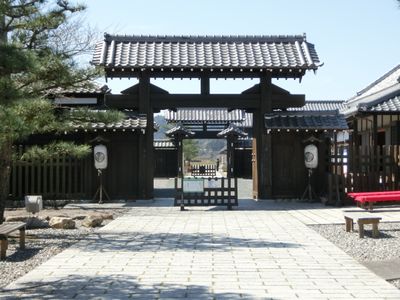
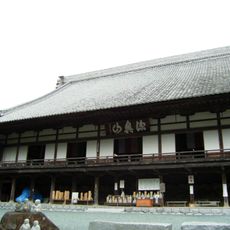
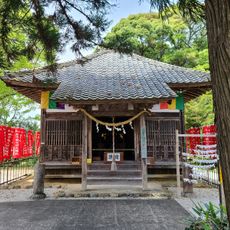
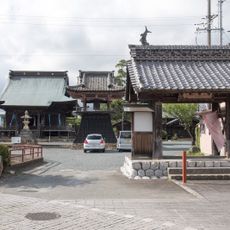
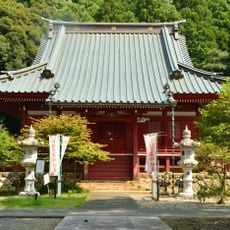
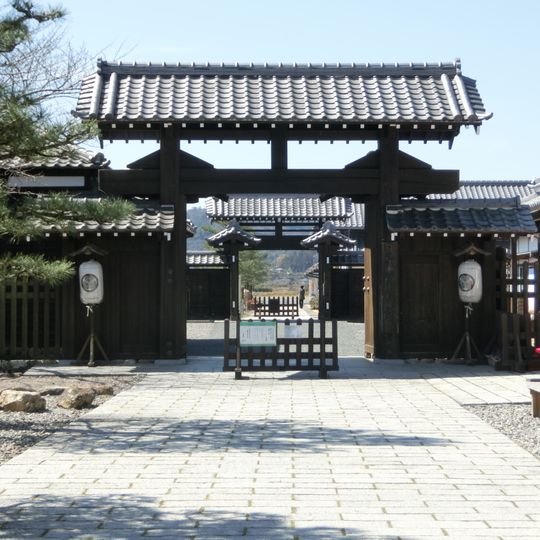
Kiga Sekisho was a checkpoint on major trading routes that monitored the passage of travelers and goods through the region. The site consisted of wooden buildings designed to facilitate inspections and record the movement of people and merchandise.
The checkpoint was established during the Edo period to regulate commerce and movement along key routes. It was dissolved in 1869 when the Meiji Restoration transformed Japan's administrative structure and eliminated the traditional barrier station system.
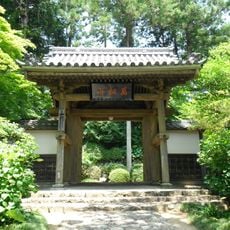
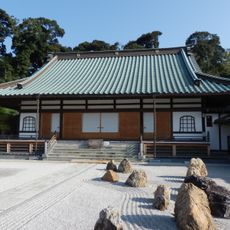
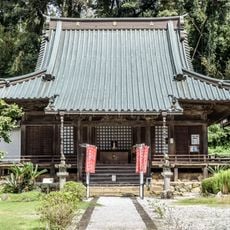
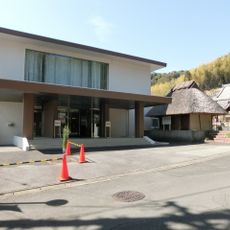
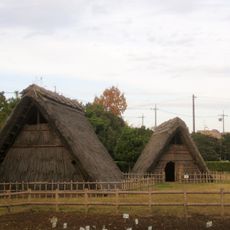
The wooden buildings reflect how checkpoints looked during the Edo period, with distinct areas where officials inspected travelers and their belongings. Visitors can sense how the daily work of monitoring and managing people unfolded in these spaces.
Access is typically through guided tours that explain the site's functions and operations. Informational displays on-site help visitors understand how the checkpoint system worked and its role in regional administration.
The checkpoint was part of a network of barrier stations that shaped Japan's regional infrastructure during the Edo period. These stations served as crucial tools for the shogun's political control and the maintenance of order across the country.
The community of curious travelers
AroundUs brings together thousands of curated places, local tips, and hidden gems, enriched daily by 90,902 contributors worldwide.