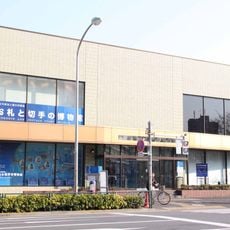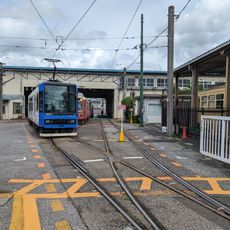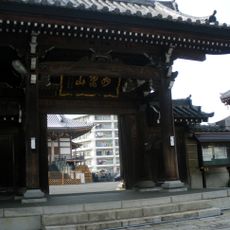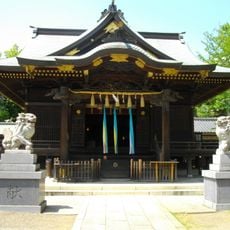
Kita-ku, Special ward in Tokyo, Japan
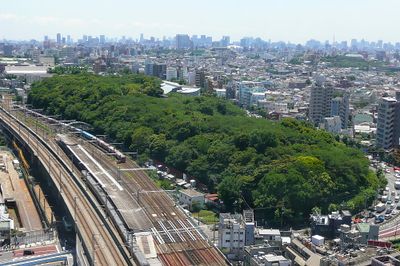
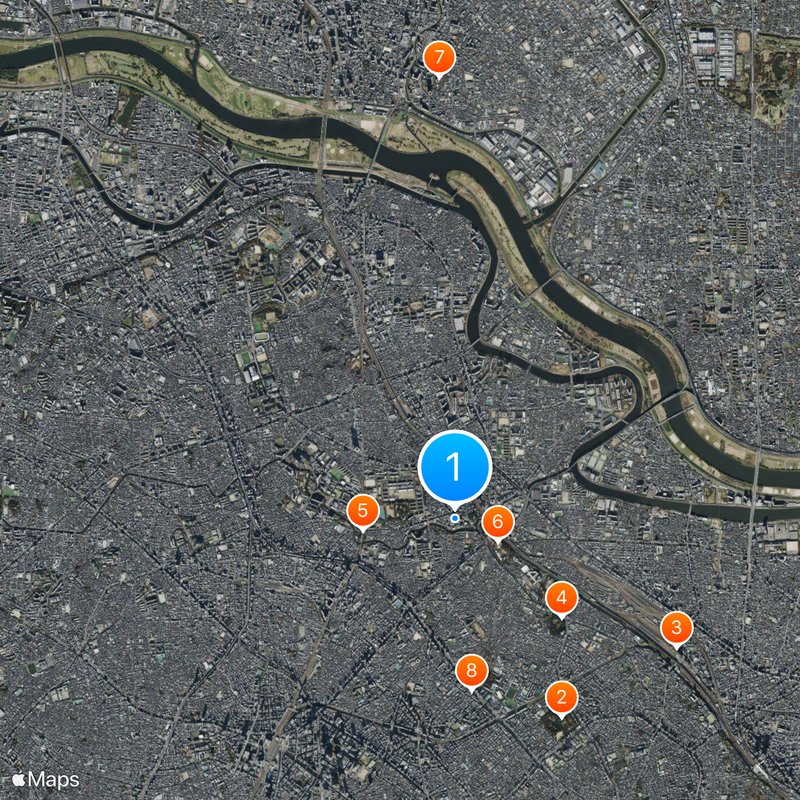
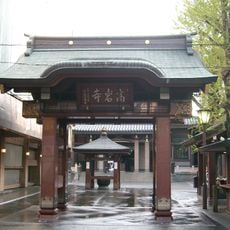
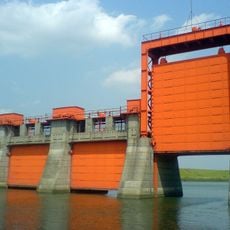
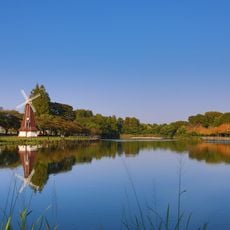
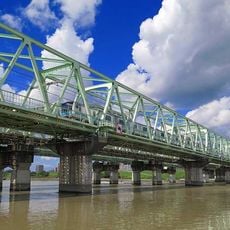
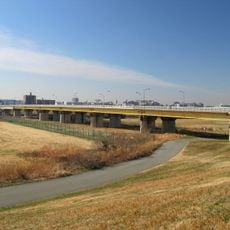
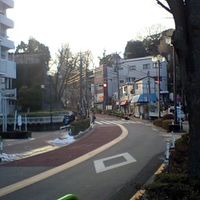
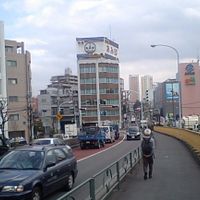
Kita-ku is an administrative ward in the northern part of the metropolis, stretching along four waterways: the Arakawa, Shakujii, Shingashi, and Sumida. The area covers roughly 20 square kilometers (about 8 square miles) and connects residential neighborhoods with historic sites and parks.
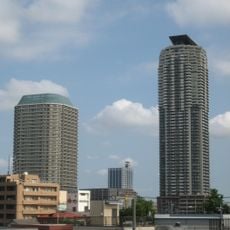
The ward was formed in 1947 by merging the former Oji and Takinogawa Wards after the Second World War. The region developed rapidly from rural villages into an urban area starting in the 1880s, when the first railway station enabled access to the capital.
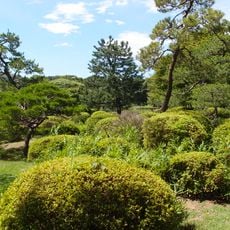
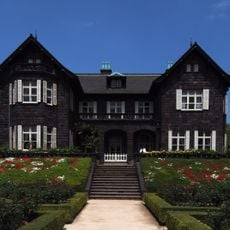
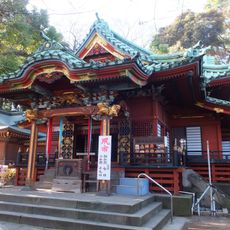
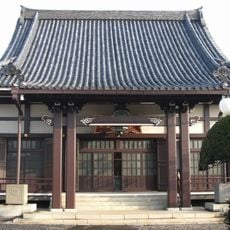
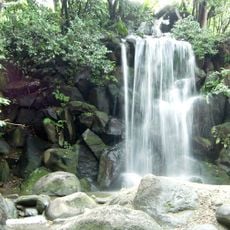
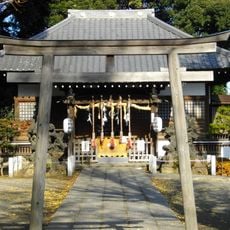
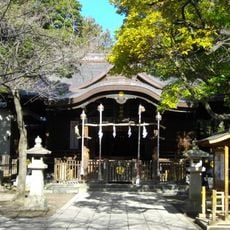
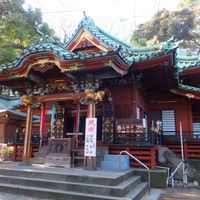
The name Kita simply means North, reflecting the ward's position in the northern part of the capital. Along the four rivers, residential neighborhoods have developed over decades where families live and work, while the old gardens and shrines remain places of quiet retreat.
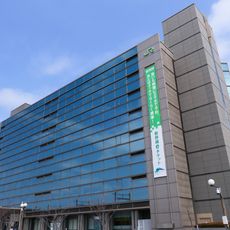
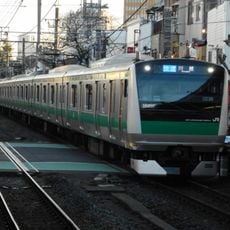
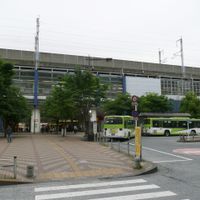
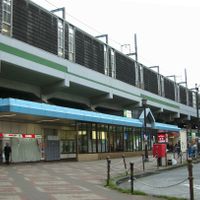
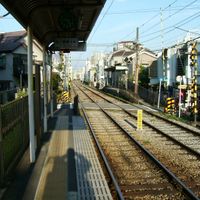
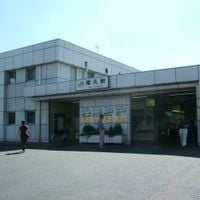
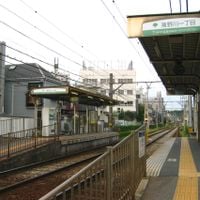
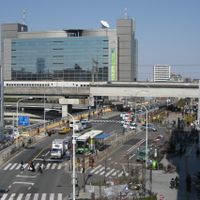
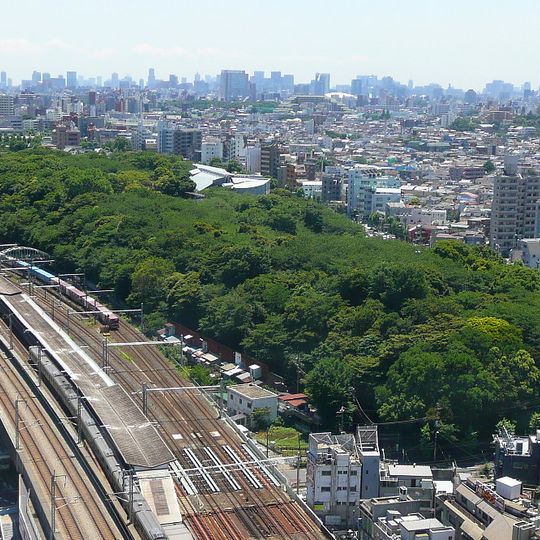
Several railway lines cross the ward and connect it to the center and neighboring areas, with Akabane and Tabata serving as major transfer stations. The paths along the rivers are good for walking and offer orientation through the different neighborhoods.
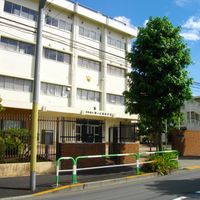
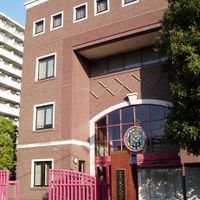
Two international schools are located here: the French lycée and a Korean high school, serving students from different countries. These institutions bring a multicultural dimension to an otherwise mostly Japanese residential area.
The community of curious travelers
AroundUs brings together thousands of curated places, local tips, and hidden gems, enriched daily by 91,794 contributors worldwide.