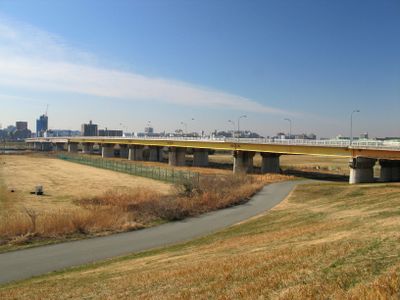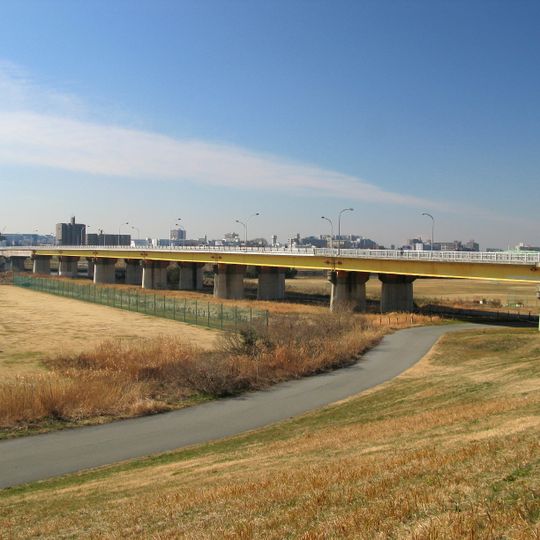
新荒川大橋, Road bridge across Arakawa River in Tokyo, Japan
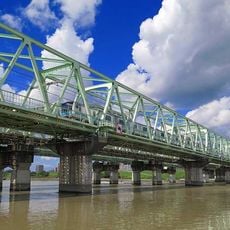
Shin-Arakawa Bridge (新荒川大橋) is a road bridge over the Arakawa River, linking Kawaguchi in Saitama Prefecture with Kita Ward in Tokyo. It consists of two parallel spans that together carry National Route 122 across the river.
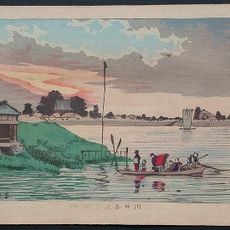
The first bridge at this crossing was completed in 1928, replacing a ferry that had connected the two banks. A second parallel span was built decades later to handle the growing flow of traffic through this part of the Tokyo metropolitan area.
The bridge marks the boundary between Saitama Prefecture and Tokyo, and crossing it gives a clear sense of moving from one urban zone into another. On both sides, the surrounding area reflects the dense, working residential character of this part of the greater Tokyo region.
The bridge sits on National Route 122 and can be crossed by car, on foot, or by bicycle. Traffic is steady throughout the day, so pedestrians and cyclists should stay on the designated paths along the sides of the bridge.
When the first span opened in 1928, it was the longest bridge in Tokyo at the time, a fact that is easy to miss today given how ordinary the crossing feels. The river it crosses, the Arakawa, is itself an artificial channel completed in the early 20th century to control flooding.
The community of curious travelers
AroundUs brings together thousands of curated places, local tips, and hidden gems, enriched daily by 60,000 contributors worldwide.