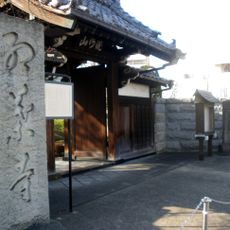
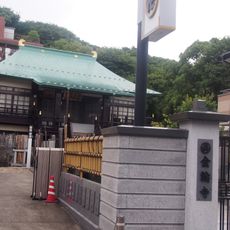
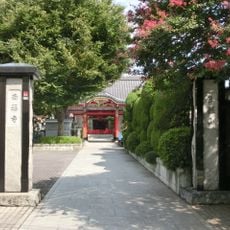
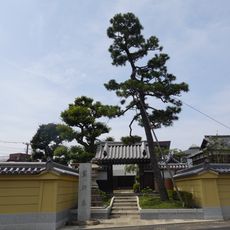
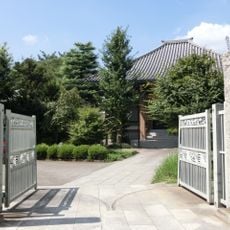
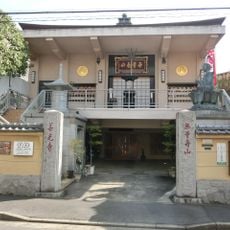
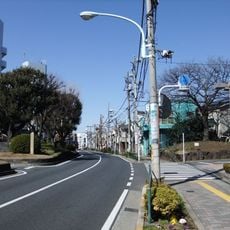
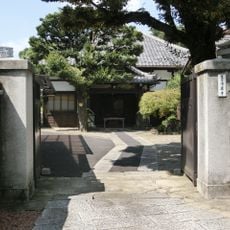
Ōji Inari-jinja, Shinto shrine in Kita-ku, Tokyo, Japan
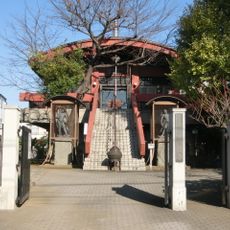
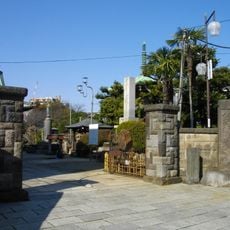
Ōji Inari-jinja in Kishimachi, Kita City, Tokyo, enshrines Uka-no-Mitama-no-Kami, Uke-mochi-no-Kami and Waku-musubi-no-Kami. It was formerly called Kishi Inari. A subsidiary shrine, Shōzoku Inari-jinja, stands on the site of the Shōzoku Enoki, a hackberry tree where foxes were said to gather and change clothes on New Year's Eve.
Originally called Kishi Inari, the shrine took its name from its position on the bank of the Arakawa, which was then broad. The New Edition of the Musashi Fudoki Gazetteer records that Minamoto no Yoritomo made an offering here in 1180. After Tokugawa Ieyasu installed the monk Yūyō as head of the Kanrin-ji, which served both Ōji Inari and Ōji Gongen, the shrine grew in standing in northern Edo.
This shrine honors Inari, the deity associated with prosperity and good harvests in Japanese tradition. Visitors can observe how local people continue to make offerings and prayers here as part of their spiritual practice.
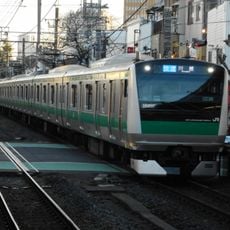
The shrine stands in Kishimachi, a short walk from Ōji Station on the Keihin-Tōhoku Line. The annual Tori-iichi fair is held on the first, second and third Horse Days of February, when stalls sell kites and visitors can be very numerous. On New Year's Eve, the Fox Parade departs from Shōzoku Inari Shrine and proceeds to Ōji Inari; expect crowds along the route.
The shrine's subsidiary Shōzoku Inari Shrine marks the spot where the Shōzoku Enoki stood until it was cut down for a road widening in 1929. According to legend, foxes from across the provinces gathered at this enoki tree on New Year's Eve to change their attire before paying homage at Ōji Inari.
The community of curious travelers
AroundUs brings together thousands of curated places, local tips, and hidden gems, enriched daily by 93,463 contributors worldwide.