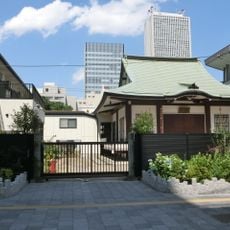
Shōun-ji, Buddhist temple in Toshima, Japan
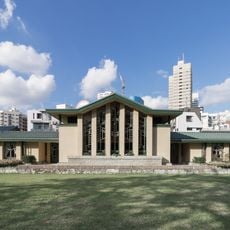
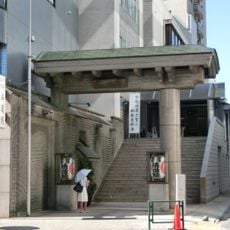
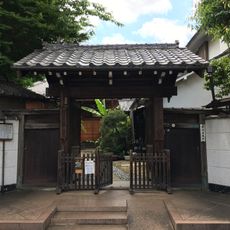
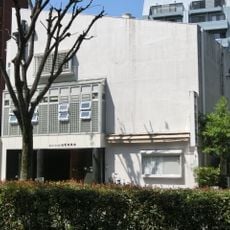
Shōun-ji is a Buddhist temple in Toshima-ku, Tokyo, made up of several buildings including a main prayer hall and a memorial hall used for services. Maple trees line the walkways across the grounds, and hydrangeas bloom along the paths in the warmer months.
Shōun-ji was founded in 1532 by Tōyama Hayato no Shō Kagehisa, a senior retainer of the Later Hōjō clan and castellan of Edo, as a branch temple of Komagome Kichijō-ji, with the Sōtō monk Ōshū Anjū as founding abbot; it was first called Jōkō-in. It took its present name in 1709. Originally within the Wada-kura gate of Edo Castle, it moved repeatedly as the castle expanded and reached Ikebukuro in 1915.
Shōun-ji belongs to the Sōtō Zen school, a Buddhist tradition that places great importance on seated meditation and daily practice. Visitors can enter the main hall and sit for a while, and the space feels genuinely in use rather than purely ceremonial.
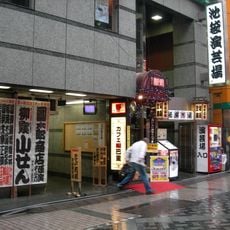
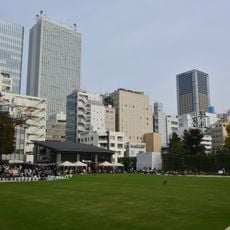
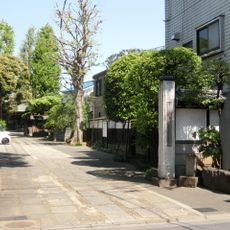
Shōun-ji stands in Ikebukuro 3-chōme, Toshima-ku, a short walk from the Ikebukuro station area. The temple grounds moved to this Ikebukuro site in 1915, so the address is the one to give a taxi driver. The main hall is occasionally used for a café called "Bōzu'n coffee", so opening times vary.
The cemetery holds the grave of manga artist Shōtarō Ishinomori, creator of Cyborg 009 and Kamen Rider, alongside that of Wang Yude, a linguist and campaigner for Taiwanese independence. The temple also runs an occasional café called Bōzu'n Coffee inside its halls.
The community of curious travelers
AroundUs brings together thousands of curated places, local tips, and hidden gems, enriched daily by 93,490 contributors worldwide.