Ōji Shrine, Shinto shrine in Tokyo, Japan
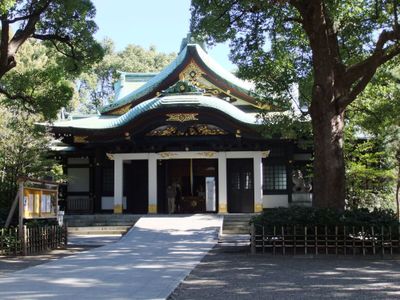
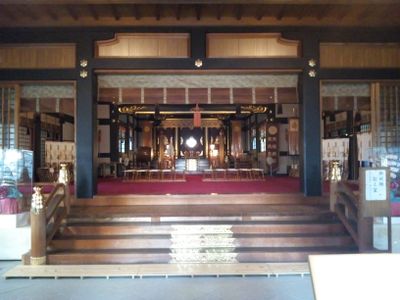
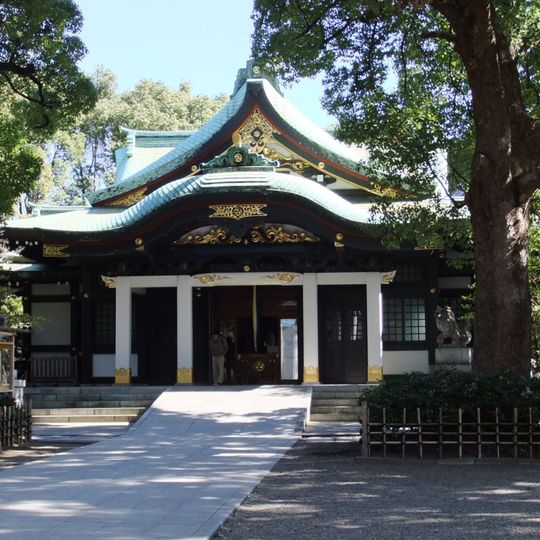
Oji Shrine is a Shinto shrine in Ōji-Honchō built in the Ishi-no-ma-zukuri architectural style, which is a traditional Japanese construction method. The shrine follows a typical layout with an entrance gate, prayer area, and inner sanctuary where the most sacred religious objects are kept.
The shrine's founding date is unknown; a stone inscription beside the ginkgo tree records that the Toyoshima family founded it between 1321 and 1324, when a Kumano Wakamiya prince deity was re-enshrined here. Ōta Dōkan, builder of Edo Castle, is said to have sheltered from a storm under a castanopsis tree in the precinct. Designated a quasi-imperial shrine in the early Meiji era, it burned in 1945 and was rebuilt in 1959–1964 and 1982.
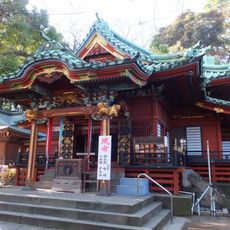
The shrine gives its name to the Ōji district. Its August festival, held on the first Sunday, features a mikoshi parade and the Ōji Jinja Dengakumai, a dengaku dance designated an Intangible Folk Cultural Property of Kita ward. Beside the sandō stands Seki Shrine, dedicated to the hair deity Seki no Chōmaru, honoured by wig and hairdressing tradespeople.
The shrine is a 3-minute walk from the north exit of Ōji Station on the Keihin-Tōhoku Line or exit 3 of the Tokyo Metro Namboku Line, 5 minutes from Ōji-ekimae on the Toden Arakawa Line and 7 minutes from Asukayama. A back stairway from Otonashi Shinsui Park leads up to the giant ginkgo. Parking is available and entry to the precincts is free.
The giant ginkgo beside the sandō, 24.2 m tall with a 5.2 m trunk, is thought to have been planted when the shrine was founded and was designated a Natural Monument in 1939. It survived the 1945 bombing with its upper trunk damaged. A stone inscription nearby, a Tangible Cultural Property of Tokyo, records the shrine's founding.
The community of curious travelers
AroundUs brings together thousands of curated places, local tips, and hidden gems, enriched daily by 93,442 contributors worldwide.