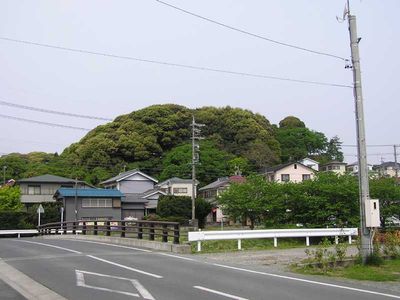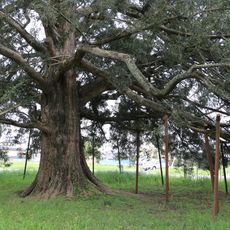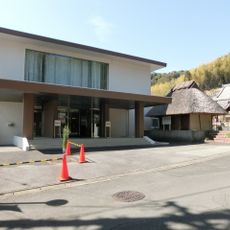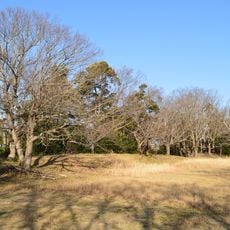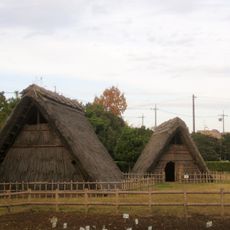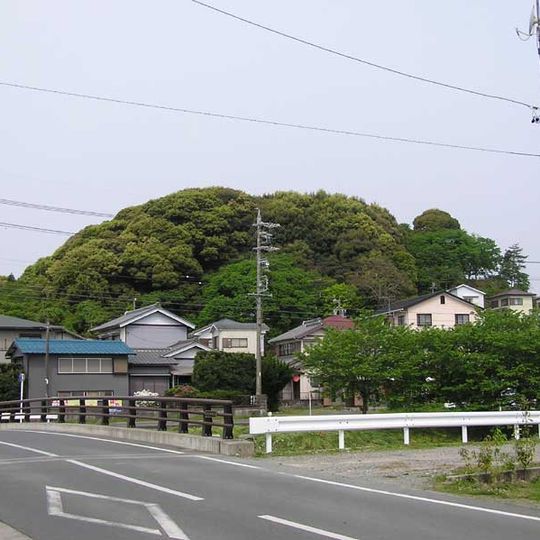
Akamonue Kofun, Keyhole-shaped burial mound in Hamakita Ward, Japan.
Akamonue Kofun is a keyhole-shaped burial mound located in Hamakita Ward. The structure features a circular rear section that transitions smoothly into a trapezoidal front area, creating this distinctive geometric form that was common among ancient Japanese tombs.
The mound was built during the Kofun period between the 3rd and 7th centuries, reflecting the construction methods of early Japanese elite classes. This era witnessed the rise of complex social hierarchies and the consolidation of imperial power in the archipelago.
The name reflects the reddish soil common to this region, which shapes how the mound appears in the landscape today. This type of tomb served as a gathering place for communities and marked the territory of powerful families in ancient times.
Excavations are strictly limited to protect this ancient monument, so much of the interior remains hidden from view. Visitors should explore the site from the surrounding ground level to fully appreciate the geometric proportions and overall mound construction.
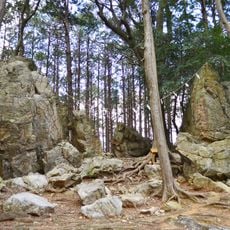
The interior was constructed using carefully stacked stones that formed a burial chamber, all covered with earth to create the final mound shape. This building method allowed ancient workers to create large structures without relying on modern foundation techniques.
The community of curious travelers
AroundUs brings together thousands of curated places, local tips, and hidden gems, enriched daily by 90,903 contributors worldwide.