天穗日命神社, Shinto shrine in Japan
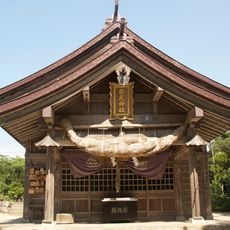
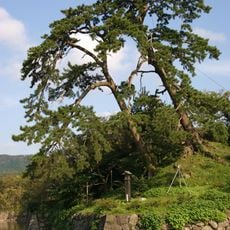
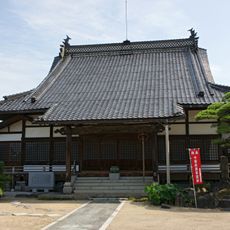
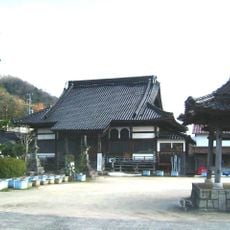
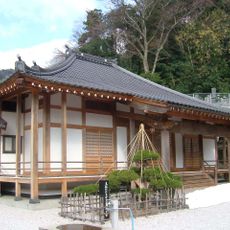
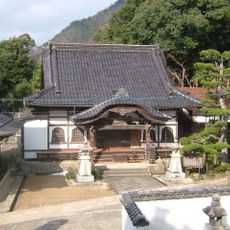
Amenohohi Shrine stands in the Fukui district of Tottori, where its main hall follows the nagare-zukuri style with a roof sloping forward over the worship area. The shrine grounds lie west of the Fukui settlement, and behind them a mound shaped like a keyhole tomb has been identified, suggesting a link to the Inaba no Kuni no Miyatsuko clan.
Founded at an unknown date, the shrine was originally in Fusebe, Takakusa District, according to the Inafu-shi, and served as the clan shrine of the Inaba no Kuni no Miyatsuko, an ancient local family. In May 867 it was granted the junior third rank and entered the official register of state shrines; by the mid-9th century it outranked Ube Shrine and stood first in Inaba Province. Listed in the Engishiki as one of seven small shrines of Takakusa District, it was moved to its present site at the end of the Muromachi period and called Muō Daimyōjin in the Edo period. In 1868 it took its current name, and in 1870 it merged the Arafune Shrine of Fukui village, which was separated again in 1879 as Arafune Shrine and re-merged with an Inari shrine in 1914.
The shrine is dedicated to Amenohohi no Mikoto and draws visitors seeking blessings for good fortune and health. You will see traditional practices like making coin offerings, ringing a bell before prayer, and writing wishes on wooden plaques that hang from designated racks.
The shrine stands west of the Fukui settlement in Tottori, with the grounds backed by a mound identified as a possible keyhole-shaped burial tumulus. Two related shrines, Amanohinadori-no-Mikoto Shrine and Okuma Shrine, stand nearby. The site is a short walk from the Fukui area; sturdy shoes help on the uneven approach.
Behind the shrine grounds, a mound identified as a possible keyhole-shaped burial tumulus (zenpō-kōen-fun) points to the family that served as its patrons: the Inaba no Kuni no Miyatsuko, the ancient clan of Inaba Province. The shrine's deity, Amenohohi no Mikoto, was their clan kami, and nearby stand two related shrines, Amenohinadori no Mikoto Shrine and Okuma Shrine, dedicated to his son and to Mikuma no Mikoto.
The community of curious travelers
AroundUs brings together thousands of curated places, local tips, and hidden gems, enriched daily by 94,232 contributors worldwide.