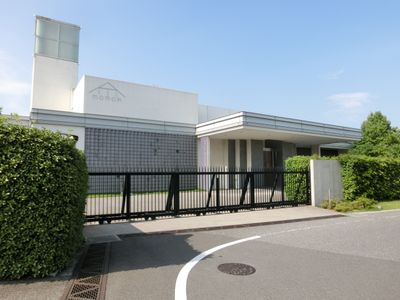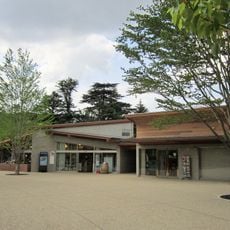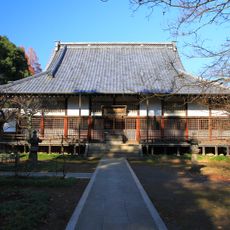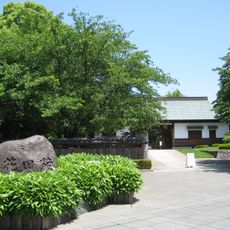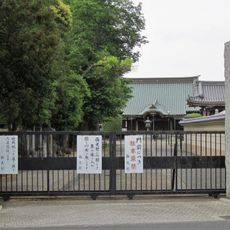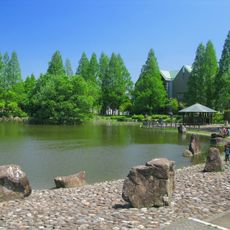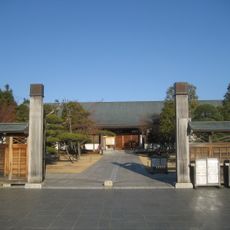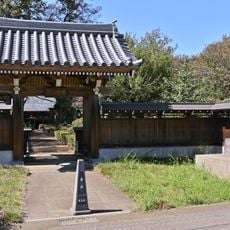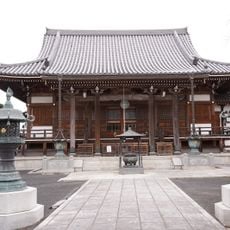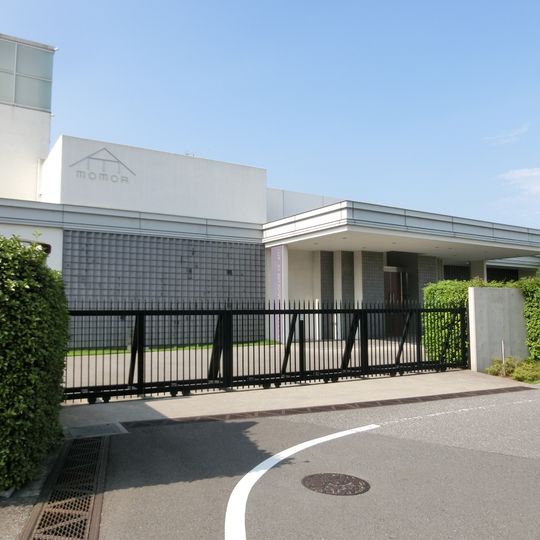
Mogi-Honke Museum of Art, Art museum in Noda, Japan.
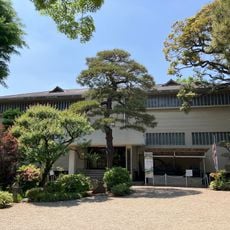
The Mogi-Honke Museum of Art in Noda is an art museum presenting works across various Japanese art forms, including Japanese paintings, Western-style paintings, sculptures, and ceramic art. The collection consists of approximately 4,300 pieces, with around 60 to 70 works on view in the permanent collection at any given time.
The museum was founded in 2006 by Mogi Shichizaemon, the 12th leader of the Mogi family, who had gathered an extensive collection of artworks throughout his life. He decided to share his collection with the public by establishing the museum to make these works permanently accessible.
The museum holds a significant collection of ukiyo-e woodblock prints, including famous works such as Hokusai's Thirty-six Views of Mount Fuji and Hiroshige's The Fifty-three Stations of the Tōkaidō Road. Visitors can view these traditional Japanese prints displayed in the exhibition spaces and appreciate their intricate craftsmanship.
The museum organizes rotating exhibitions throughout the year that complement the regular collection on display. Visitors should check ahead about current exhibition details and opening times to make the most of their visit.
The museum building was designed by architect Yutaka Hikosaka and incorporates a family Inari shrine at the end of its garden space. This sacred space offers visitors a quiet area for reflection after exploring the art collection.
The community of curious travelers
AroundUs brings together thousands of curated places, local tips, and hidden gems, enriched daily by 92,546 contributors worldwide.