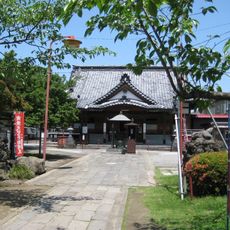
Former Hananoi Family House, Traditional kominka in Noda, Japan
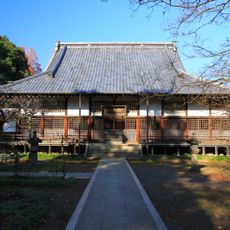
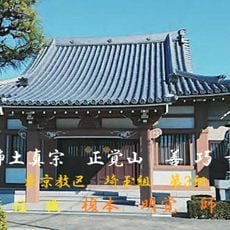
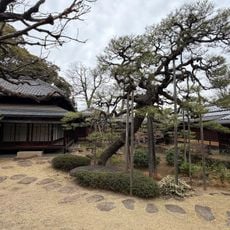
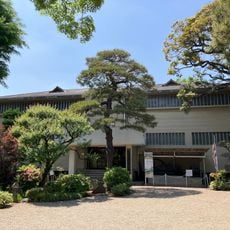
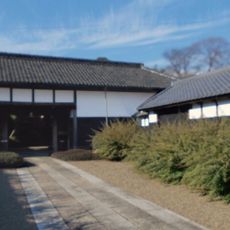
The Former Hananoi Family House is a traditional wooden dwelling from the early Edo period in Noda. Its interior combines heavy wooden beams, tatami mat flooring, sliding doors, and a central open hearth that served both cooking and heating needs.
The house dates from the second half of the 17th century. The Hananoi family served for generations as managers of the shogunate's Kogane pasture, overseeing the capture of wild horses. In 1971 the building was donated to Noda and moved from its original site near Maegasaki Castle in Nagareyama; it was designated an Important Cultural Property in 1969.
The house shows how wealthy farming families once lived and worked in their daily routines. The open hearth and layout reveal the rhythm of traditional household life that visitors can still sense when walking through.
Entry is free, and the house is open from 9:00 to 16:00; it closes on Mondays to Wednesdays unless those days are public holidays, and over the New Year period. It stands next to Shimizu Park, about ten minutes on foot from Shimizu-Koen Station on the Tobu Noda Line. The thatched roof is regularly smoked from the irori hearth to protect it.
The house preserves craft techniques unchanged over centuries and displays details that have vanished from modern homes. Many of these old methods are rarely known or practiced anymore in daily Japanese life.
The community of curious travelers
AroundUs brings together thousands of curated places, local tips, and hidden gems, enriched daily by 94,674 contributors worldwide.