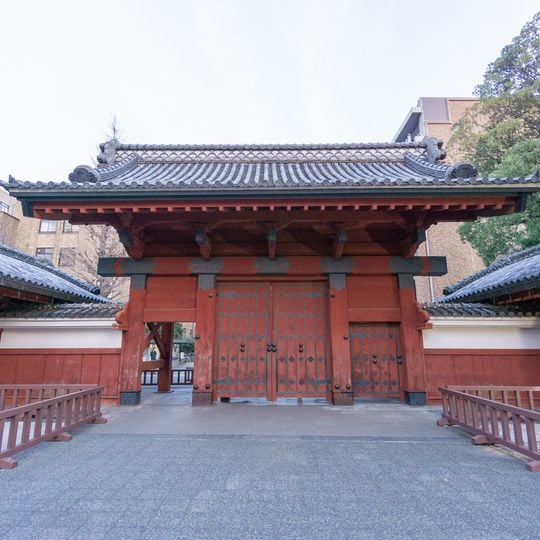
Akamon, Historical entrance gate at University of Tokyo, Japan
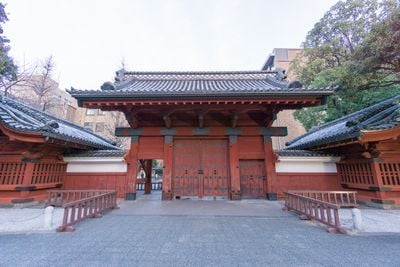
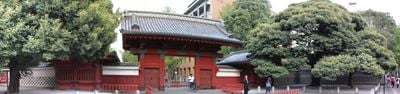
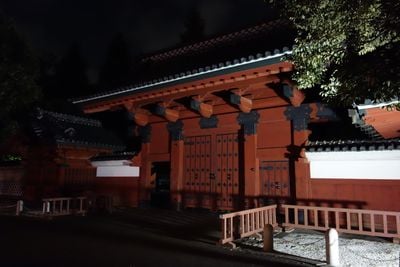
Akamon is a historical entrance gate at the Hongō campus of the University of Tokyo, Japan. The red-painted wooden structure features an arched gable and undulating bargeboards that taper toward the top, creating its distinctive silhouette.
The gate was built in 1827 by Maeda Nariyasu to welcome Lady Yasu-hime, daughter of Tokugawa Ienari, as his bride. This construction followed feudal traditions of the Edo period and established it as an important symbol of that era.
The gate reflects traditional Japanese architectural thinking through its yakui-mon style, with formal patterns typical of important ceremonial entrances. The name itself, referring to red coloring, signals to visitors that they are approaching a place of significance and tradition.
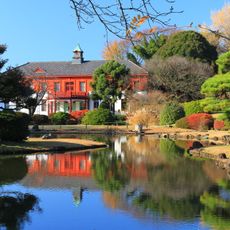
The gate is located near several train stations in Tokyo's Bunkyo district and is accessible to visitors during regular university operating hours throughout the year. Walking around the structure allows you to see the wooden construction and surrounding campus details most clearly.
This gate is one of only two remaining entrance structures from Edo period daimyo mansions that still stand in Tokyo today. Its red color and wooden construction have remained virtually unchanged over nearly 200 years, showcasing the craftsmanship of that era.
The community of curious travelers
AroundUs brings together thousands of curated places, local tips, and hidden gems, enriched daily by 91,974 contributors worldwide.