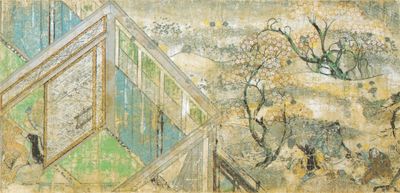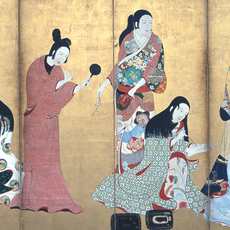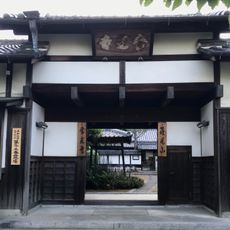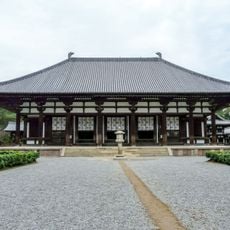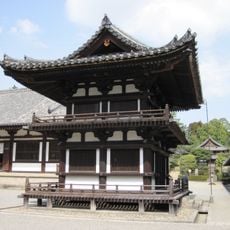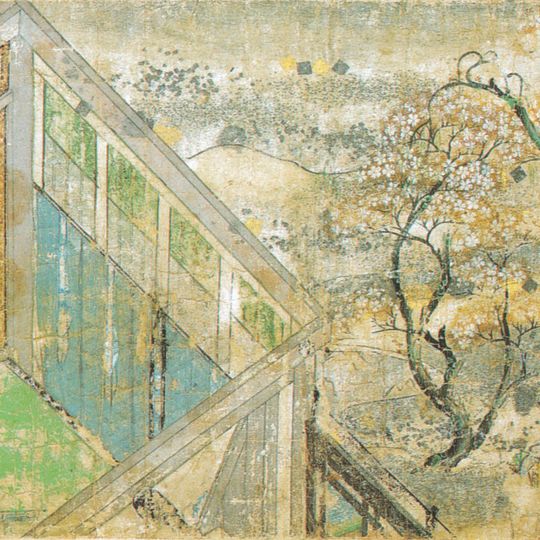
Nezame Monogatari Emaki, National Treasure handscroll at Museum Yamato Bunkakan, Nara, Japan
The Nezame Monogatari Emaki is a handscroll made from paper with detailed illustrations created using ink, paint, and precious metals like gold and silver. The work stretches about 5 meters long and features carefully composed scenes combining text and images that form a complete narrative together.
The work dates from around the 12th century during Japan's Heian period and stands as one of the oldest surviving examples of Japanese narrative painting. Its survival demonstrates the continuing importance of this artistic tradition in Japanese cultural history.
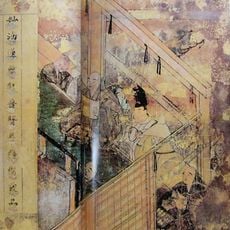
The scroll tells a love story from the Imperial Court in Kyoto through text sections and painted scenes featuring Nakanokimi. Viewers can see how court life and personal relationships were depicted in medieval Japan through these narrative images.
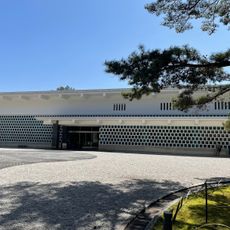
This scroll is housed in the Yamato Bunkakan Museum in Nara, displayed alongside many other artworks including sculptures, ceramics, and paintings. Visitors should allow time to examine the fine details of the painted scenes and text sections on the long horizontal surface.
The work employs the fukinuki yatai technique, allowing simultaneous views of building interiors and exteriors within a single painted scene. This method was an ingenious way to depict complex spatial relationships before Western perspective techniques became known.
The community of curious travelers
AroundUs brings together thousands of curated places, local tips, and hidden gems, enriched daily by 91,376 contributors worldwide.