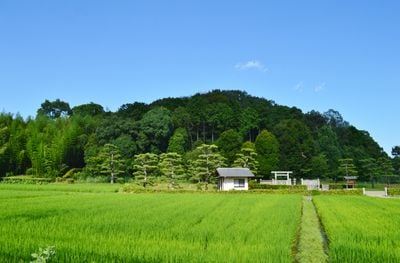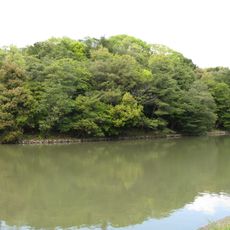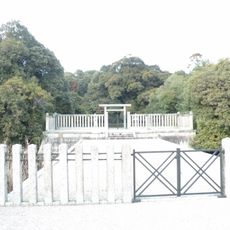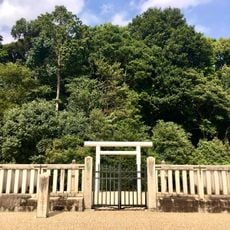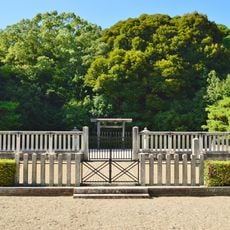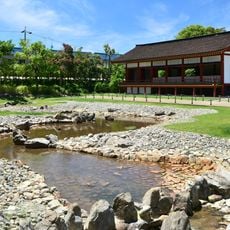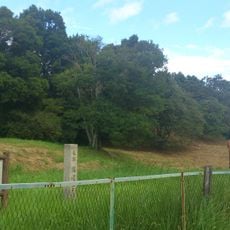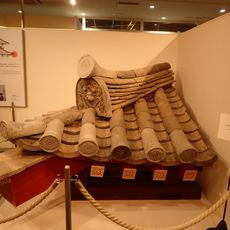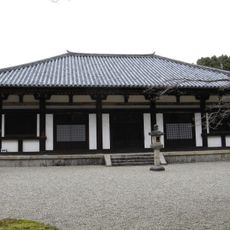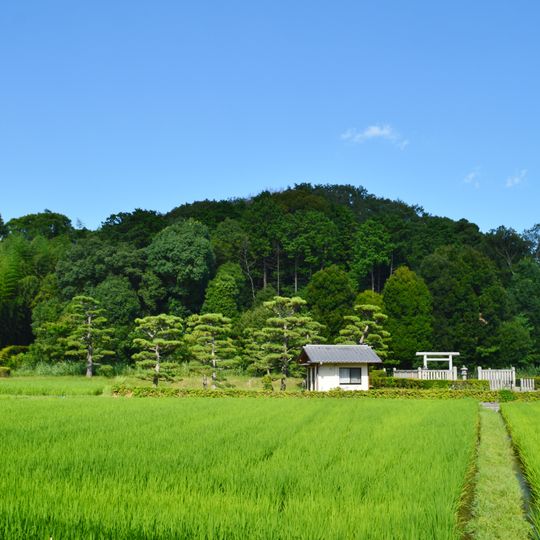
Saki Takatsuka Kofun, Ancient imperial mausoleum in Misasagi-chō, Japan.
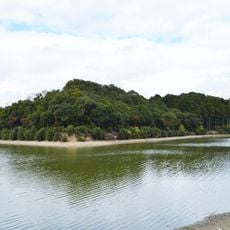
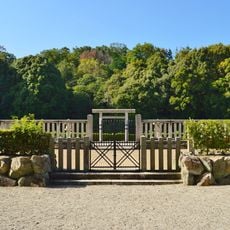
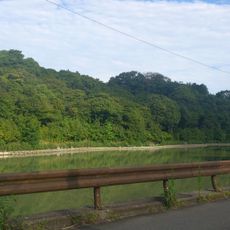
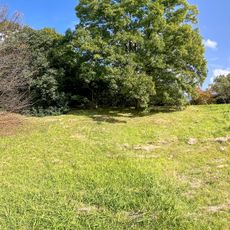
The Saki Takatsuka Kofun is a large burial mound featuring a circular front section connected to a rectangular rear portion, creating a distinctive keyhole silhouette when viewed from above. The entire structure is covered with soil and vegetation, occupying substantial ground space within the district.
This burial mound was constructed during the 4th century as an early form of imperial architecture in ancient Japan. It marks the final resting place of Hibasuhimenomikoto, a prominent member of the imperial family from that era.
The keyhole shape itself tells a story about how ancient Japanese communities organized burial spaces, with the front section serving a ceremonial purpose for rituals and gatherings.
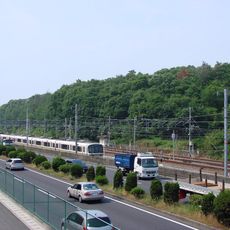
The site is easily reached by local transportation from central Nara, with clear pathways marking the main approach routes. The surrounding area has walking trails that connect to other historical sites nearby, making it convenient to visit multiple locations in one trip.
This mausoleum belongs to the Saki-Tatenami Kofun Cluster, a collection of several burial mounds arranged in a specific pattern across the landscape. This deliberate spacing and arrangement reveal the sophistication of ancient Japanese burial site planning.
The community of curious travelers
AroundUs brings together thousands of curated places, local tips, and hidden gems, enriched daily by 60,000 contributors worldwide.